


Expert Osteopath in London (Stratford & Canada Water)
Don't Let Back Pain Rule Your Life.
Status: Accepting New Patients | Same-Day Appointments Available. Insurance Accepted: AXA, BUPA, Aviva, & Vitality (Direct Billing Available).
✅ Clinically Verified Content Expert Reviewed by: James Gill, BOst, GoSC 6039 Founder and Clinic Director. Last Updated: 22nd January 2026.
We treat the root cause, not just the symptoms.
If you are waking up stiff, struggling to sit at your desk, or dealing with a sports injury that won’t go away, you don’t need “just a massage.” You need a medical diagnosis and a structured recovery plan.
At Bodytonic Clinic, our GOsC-registered Osteopaths are experts in musculoskeletal health. We use a combination of deep soft tissue massage, joint articulation, and medical acupuncture to restore movement and eliminate pain.
Unlike other therapies that just treat “where it hurts,” Osteopathy looks at your whole body mechanics to stop the pain from coming back.
Why Londoners Choose Bodytonic Osteopathy:
- 📍 Two Prime Locations: Clinics in Canada Water (SE16) and Stratford (E15).
- 🏥 GOsC Registered: 100% of our team is registered with the General Osteopathic Council.
- 💼 Insurance Approved: We work with all major insurers including AXA and BUPA.
- ⚡ Rapid Access: Priority slots for acute pain (Sciatica, Wry Neck, Spasms).
Osteopathy uses a wide range of non-invasive manual techniques, including physical manipulation, soft tissue massage, deep tissue massage, swedish massage techniques, stretching, medical acupuncture, exercise rehabilitation and pilates to help with pain relief and discomfort. Through these techniques, Osteopathy aims to increase the mobility of joints, relieve soft tissue muscle tension and help the body to heal.
Our Osteopaths can also offer Dry Needling and taping (such as Kinesiology Tape) as a complimentary part of an effective treatment (please check the Therapist pages to see which of the team provide Dry Needling). We may also use other modalities such as Focused Shockwave and Shockwave and ultrasound.
Surgical Rehabilitation: “Surgery alters the body’s mechanics. Whether you’ve had a joint replacement or a spinal discectomy, our practitioners use a multi-disciplinary approach to restore your vitality. Read our comprehensive guide on how we manage post-surgical recovery.”
WHAT OUR CUSTOMERS THINK
Bodytonic Clinic Reviews
Osteopathy Prices
Not sure which treatment is right for you? Speak to our clinical triage team first with a free 15-minute phone consultation. We’ll assess your needs and guide you toward the right specialist before you book. Book a Free Phone Call →

Our Local London Osteopathy Clinics:
Bodytonic Clinic provides award-winning, GOsC-registered musculoskeletal care across East and South East London. You can book an initial consultation or follow-up treatment at either of our primary health hubs or their dedicated neighborhood catchment branches:
- South East London Catchment: Book directly at our primary health hub for Osteopathy in Canada Water SE16. We also provide seamless coverage for patients in London Bridge, Bermondsey, New Cross (SE14) and Deptford (SE8).
- East London Catchment: Arrange your treatment at our premier Stratford E15 Clinic Hub, or see our dedicated team at the Olympic Park boundary for Osteopathy in East Village E20. Our localised practitioners also serve patients looking for targeted care in Bow (E3), Leyton, Leytonstone, and Wapping (E1W).
*Note for Commuters: If you are searching for an expert Osteopath in Canary Wharf E14 or the City of London, our clinic is located just 5 minutes away via the Jubilee Line.
Meet Our Expert Osteopaths
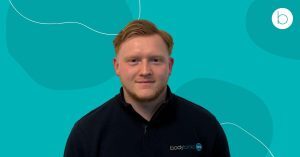
Our highly experienced General Osteopathic Council (GOsC) registered Osteopaths are dedicated to providing the highest standard of musculoskeletal care, from general aches to specialist paediatric services. Below is a short list of our expert team who deliver treatments across our London clinics. You can view their individual profiles to learn more about their training and experience.
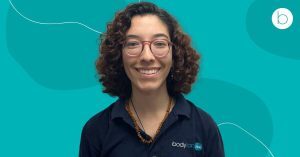
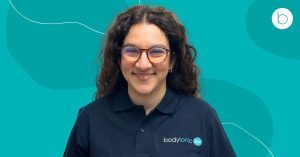
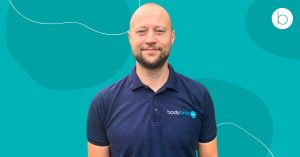
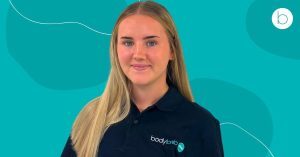
We have a larger, fully qualified osteopathic team across our locations. View the full team list here
We can help treat:
Osteopathic treatments can be carried out using a number of techniques, depending on the needs and conditions of different patients. This versatility makes osteopathic treatments fit for the whole family. Osteopathic treatments can be used several ailments such as:
- Soft Tissue Muscle strains
- Spasm & Ligamentous sprains
- Hand, Elbow & wrist pain including Tennis elbow and Golfers elbow
- Shoulder and Neck pain (including Frozen shoulder / Shoulder Calcific Tendonitis
95% of biceps tendinopathy cases are secondary to other biomechanical issues like scapular instability. Our osteopaths focus on the ‘why’-aligning the entire shoulder complex to offload the tendon and restore function.
- Trapped nerve and nerve pain e.g Sciatica
- Problems with your Posture (Postural), including irritation of the facet joint
- Osteoarthritis symptoms /degenerative conditions
- Lots of sporting injuries
- Stress
- Foot pain, Hip pain and knee pain
- Lower back, Upper back and Back problems
- General, acute & chronic backache, back pain (not arising from injury or accident)
- Joint pains including hip and knee pain from osteoarthritis as an adjunct to core OA treatments and exercise
- Digestion problems
- Arthritic pain
- Pain in the joints (joints or joint pain)
- Symptoms relates to Pregnancy
- Tendonitis
- Post-surgery rehab (rehabilitation)
- Inability to relax
- Circulatory problems
- Fibromyalgia
- Rheumatic pain and problems
- Tension and inability to relax
- Muscular pain and discomfort
- Migraines and Headaches
- Digestive problems
- Neuralgia
- Muscle spasms
- Minor sports injuries
- Lumbago
- Generalised aches and pains
Lower Back Pain
What is lower back pain?
Lower back refers to the area between your upper buttocks and below the ribs. Problems in this area directly affect the spinal bone, affecting its stability, flexibility, and strength. The pain can be a mild ache or a sharp, shooting pain that obviously causes discomfort, and may also cause stiffness.
What can cause lower back pain?
Lower back pain can be a symptom of a number of things. Modern lifestyle requires most of us to sit on desks for long hours. Sitting with a wrong posture, or even lifting heavy items in an incorrect manner can put strain on our muscles, ligaments, joints & nerves, which may cause stress and pain in the lower back.
Lower back pain may also result from other medical conditions which may not be related directly to the back itself. These include:
- Gastrointestinal
- Gynaecological
- Kidney (renal) problems
A professional assessment can help narrow down the cause and lead you to the ideal treatment for back pain.
Symptoms of lower back pain?
Lower back pain itself is a symptom of other problems mentioned previously. However, apart from pain, other symptoms include stiffness in surrounding muscles and a restriction in movement. Pain may also be experienced in the buttocks or down in the leg.
What are the treatment options for low back pain?
Since the causes of lower back pain can be several, the best course of treatment depends on the condition of the patient. This can be determined only after a spinal assessment by an Osteopath London. A treatment can be started right after the assessment, if the patient is comfortable in doing so.
If you have been experiencing any of the symptoms mentioned earlier, it is advisable to get an assessment done by a certified Osteopath. Click on the link below to book your appointment, or get in touch with out team.
Not Sure What You Need? Try a Free Video Consultation.
We offer a Free 15-Minute Video Triage to help you decide. Speak directly to a GOsC-registered Osteopath, get a provisional diagnosis, and find out if treatment is right for you—with no obligation to book.
Neck, Shoulder pain & Stress
Neck Pain
Neck pain is a common problem in adults as well as children. In many cases, the cause is not a serious medical issue. However, the other problems can range from not sleeping in the right position to lifting heavy objects the incorrect way. This makes non-specific, also called as mechanical or simple neck pain very common. Some common reasons behind neck pain are:
- Minor strains and sprains to muscles
- Ligaments in the neck
- Bad posture may be a contributing factor
*** Those who work a desk job can experience neck pain because of bad posture and prolonged hours of continuous sitting ***
Shoulder Pain
- Poor posture and frozen shoulder – As the name suggests, a frozen shoulder often restricts movement in the shoulder joint. In extreme cases, complete inhibition of movement may be experienced.
- Shoulder instability – Due to instability in the shoulder joint, patients may experience an unusually large range of movement. This ailment is also known as hypermobility.
- Rotator cuff disorders – The term rotator cuff is self-explanatory. It is a group of muscles and tendons that surround the shoulder, keep it stable, and enable rotating movement in the shoulder.
- Acromioclavicular joint disorders – The acromioclavicular joint is located at the top of the shoulder. Disorders related this joint are known as Osteoarthritis. The causes of disorders to this area may range from a fractured humerus (upper arm bone) to a broken collar bone.
Stress
Muscular tension is directly related to emotional stress, and can especially be noticed at the base of the neck, jaw, and head. This can cause bad headaches by irritating the nerves and upsetting blood flow.
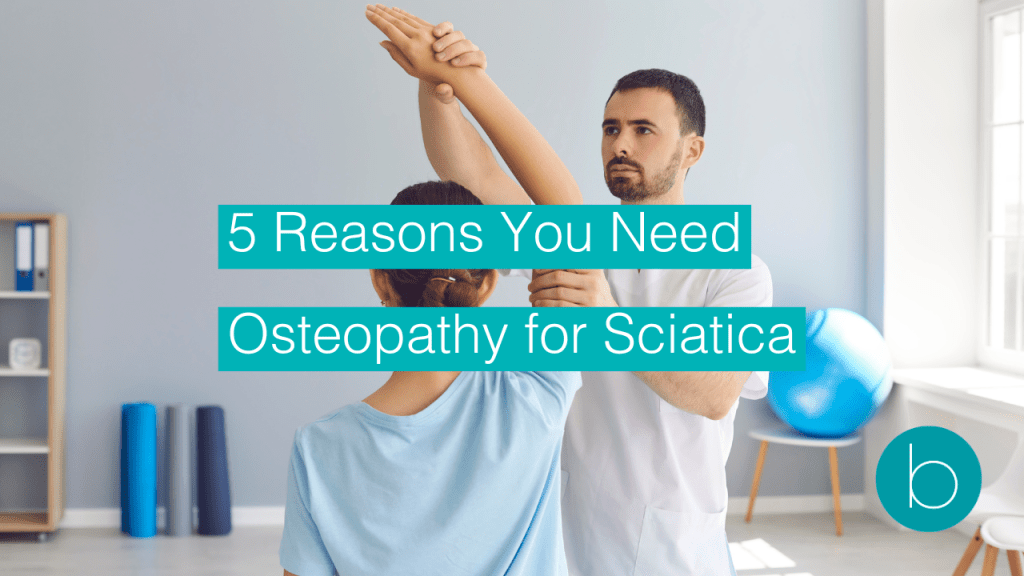
What is the best treatment for sciatica?
The Sciatic group of nerves are responsible for controlling the back of your knee and the lower leg. It is the longest nerve within the human body and is responsible for providing sensation in part of the lower leg, back of the thigh, and base of the foot. The condition which leads to irritation or compression of these nerves is known a Sciatica.
What are the Symptoms of Sciatica pain?
Symptoms often start out with mild tingling or a dull ache in the regions controlled by the sciatic nerves. However, if left untreated, the pain often gets much worse:
- After sitting
- After standing
- When sneezing
- Laughing
- At night
- Coughing
- Walking more than a feet
- Bending backward
A compressed sciatic nerve can cause pain in the lower back and the calf.
The pain is often noted to affect only one side of the body, while the other remains normal. Patients can also feel numbness in the back of their calf or on the soles of the foot. Affected limbs often can feel very weak.
The Common sciatica pain causes include:
- Pelvic injury
- Slipped disc
- Piriformis syndrome (this is a pain disorder involving the narrow muscle in your buttocks)
- Spinal stenosis
- Fracture
Would you like to discuss the above with an osteopath in more detail? Simply use our contact form or call 0203 6060 490.
About Osteopathy
To become an Osteopath in London, one has to train in a specialist college for a duration of between four to six years. Post this, when an individual has developed the required understanding and skills, they need to get registered with General Osteopathic Council (GOsC) and British Osteopathic Association (BOA) before they can begin their practice.
You can train as a osteopath in different colleges, some of these are listed below:
- The College of Osteopaths, London and Stoke on Trent
- The BCOM (British College of Osteopathic Medicine), London
- NESCOT (validated by Kingston University) previously Surrey Institute of Osteopathic Medicine (SIOM), Surrey
- Swansea University, Swansea
- The London College of Osteopathic Medicine (for medical doctors only), London
- The London School of Osteopathy, London
- University College of Osteopathy, London
- The European School of Osteopathy, Kent
- The University of St Mark and St John, Plymouth (Marjon), Plymouth
Are you looking for an osteopath job in London? Here are bodytonic clinic we are always looking for dedicated and professional osteopaths to join our growing team of practitioners. Simply visit the jobs page for osteopathy jobs East London and South East London to apply.
Osteopathic treatment focuses on total body health by using drug-free, non-invasive manual methods that heal the strengthen the musculoskeletal framework of the body. It is possible to treat several health ailments with osteopathy, some of these are; back ache, low back pain, neck ache, neck & shoulder pain, Upper back pain, Tennis elbow, sports injuries, compression of the nerve such as sciatica, ligament and muscle strains, muscular aches or pains, migraines, headaches, occupational injuries, circulatory problems, postural occupation injuries, joint pains or stiffness, digestive problems, arthritis in hips, hands, knees etc. shoulder and neck injuries, frozen shoulder.
Do you need to see your GP first?
Since osteopathy does not use any invasive treatment or drugs, it is not necessary to consult a GP (general practitioner) beforehand. However, if you have a complicated medical history, seeing a GP consultation is recommended. Do you have more questions related to osteopathy? Simply get in touch with one of our team.
Osteopathy & Pregnancy?
A pregnancy is extremely demanding on a woman’s body and may lead to problems like lower and mid back pain, pain in the neck, shoulders, hips or the pelvic, post-natal coccyx and symphysis pubis dysfunction pain. Osteopathic treatments can relieve these problems while helping the body adapt to the many changes that occur during a pregnancy.
Osteopath vs Physiotherapist
A frequently asked question is, “What’s the difference between an osteopath and a Physiotherapist?” While osteopaths and physiotherapists share many similarities, their approaches differ significantly. You can read more about this at the page ‘What’s the difference between Physiotherapy and Osteopathy in London‘.
Reflexology
Our reflexology treatments are located in our Canada Water clinic. To read more about this visit our Reflexology page.
Cranial Osteopathy
If you’re looking for the best Cranial Osteopath in London or you have more questions about what is involved you can read more about this on our Cranial Osteopathy page.
Frequently Asked Questions
Expertise, personalised care, modern techniques, and excellent patient outcomes distinguish top osteopaths in London.
Chiropractors often focus on treating muscle and joint pains with adjustments to the vertebrae of the spine. Osteopaths use physical spinal manipulation to improve the structure of the body as a whole, often including patients posture.
Osteopaths and physiotherapists both use spinal manipulation to achieve results. They have more similarities than differences, choosing between them can often depend on the problems you are experiencing. Osteopaths predominantly treat more spinal problems whereas physiotherapists are often split between spinal and peripheral joints including muscles and tendons.
Osteopaths use high-velocity movements to produce the cracking sound. Tension can easily build around your neck from bad posture or awkward sleeping positions. The cracking or clicking sensation heard from the high-velocity movement comes from the stretching of the joint capsule that individually surrounds all of the joints within our spine. During the movement, as the joint capsule stretches it creates a vacuum. Gases then get released and dissolve, creating the ‘cracking’ sound. This technique helps to improve the quality and quantity of movement within the spine, resulting in reduced pain and tension within the neck.
Osteopathy can help treat many problems, however, Osteopaths are trained to identify all sorts of patient’s needs. If they identify any issues that are outside of their specialist area, they can refer patients to a GP to further diagnose the problem.
Both an osteopath and a chiropractor can offer a great experience. An osteopath may be better if your problems are caused by your musculoskeletal framework as opposed to just the joints.
Osteopathy is regarded as a safe treatment and is regulated by UK law. You may experience minor side effects, such as mild to moderate soreness or pain in the treatment area after treatment.
The best way to choose an Osteopath is to go with an accredited business that has great reviews in your area. Alternatively, if you know anyone who has received treatment from an Osteopath, ask them for if they have any recommendations.
Osteopathy has been known to effectively help with insomnia, especially when it relieves pain that has been problematic. Your osteopath will be able to give you tips and advice on certain areas that may be affecting your sleeping patterns.
To visit an Osteopath with us the consultation is free and the initial appointment is £75, you will then attend follow-up appointments where prices from £65.
If you are looking for “osteopathy city of london” then you can always visit one of our clinics in Canada Water or Stratford.
- Canada Water is approx. 20 minutes via the Northern and Jubilee lines
- Stratford is approx. 30 minutes via the Central Line
If you are looking for “london bridge osteopath” then you can always visit one of our clinics in Canada Water or Stratford.
- Canada Water is approx. 8 minutes via the Jubilee line
- Stratford is approx. 35 minutes via the Jubilee Line
Osteopath is spelt differently depending on the language. Below are all the languages which spells osteopath differently:
- afrikaans osteopaat
- amharic ኦስቲዮፓትራ- ositīyopatira
- arabic مقوم العظام- miqum aleizam
- armenian օստեոպաթ- osteopat’
- azerbaijani osteopat
- bengali অস্টিওপাথ-Asṭi ōpātha
- bulgarian Остеопат-Osteopat
- burmese အရိုး-aaroe
- chinesesimple 骨病-Gǔ bìng
- chinesetraditional 骨病-Gǔ bìng
- croatian osteopat
- danish osteopat
- dutch osteopaat
- esperanto osteopato
- estonian osteopaat
- finnish osteopaatti
- french ostéopathe
- georgian ოსტეოპათი-ost’eop’ati
- greek χειροπράκτωρ-cheiropráktor
- gujarati teસ્ટિઓપેથ-Tesṭi ōpētha
- hebrew אוסטאופתיה
- hungarian csontkovács
- italian osteopata
- japanese オステオパス-Osuteopasu
- kannada ಆಸ್ಟಿಯೋಪಥ್-Āsṭiyōpath
- kazakh остеопат
- korean 정골-jeong-gol
- latvian osteopāts
- lithuanian osteopatas
- macedonian остеопат-osteopat
- malay osteopat
- malayalam ഓസ്റ്റിയോപത്ത്-ōsṟṟiyēāpatt
- maltese osteopata
- marathi ऑस्टिओपॅथ-Ŏsṭi ōpĕtha
- mongolian остеопат-osteopat
- nepali अस्थि रोग-asthi rog
- norwegian osteopat
- oriya ଅଷ୍ଟିଓପାଥ୍
- pashto هډوکي
- persian پوکی استخوان
- polish osteopata
- portugese osteopata
- punjabi ਓਸਟੀਓਪੈਥ-Ōsaṭī ōpaitha
- romanian osteopat
- russian остеопат-osteopat
- serbian остеопат-osteopat
- sindhi هڏن جي بيماري
- sinhala ඔස්ටියෝපති-osṭiyōpati
- slovenian osteopat
- spanish osteópata
- swedish osteopat
- tajik остеопат-osteopat
- tamil ஆஸ்டியோபாத்-Āsṭiyōpāt
- telugu మర్దన-Mardana
- thai หมอนวด-H̄mx nwd
- turkish kırıkçı
- ukranian остеопат-osteopat
- urdu آسٹیوپیتھ
- uzbek osteopat
- vietnamese loãng xương
A common question is the “osteopathy meaning” or “what does an osteopath do”, so here is our answer below:
Osteopaths study for 4 to 6 years in detecting, treating and help prevent issues in regards to human health. Using stretching, moving, manipulations and massaging of a person’s joints and muscles.
The principle of osteopathy is the wellbeing of an human depends on their muscles, bones, connective tissue & ligaments functioning smoothly together.
Osteopaths use physical stretching, massage and manipulation to help with numerous conditions.
Osteopathy in the UK is a registered health profession.
A common question is the “can I have osteopathy on the NHS” or “osteopath NHS”, so here is our answer:
Some areas of the NHS provide osteopathy but you would need to check with your local clinical commissioning group (CCG) or Local GP.
Osteopathy is usually provided privately in clinics like bodytonic clinic and our prices are available on this page.
You do not need an NHS osteopathy referral from a GP to see an osteopath and if you have private health insurance, most providers provide cover for osteopathic treatment.
An osteopath must be registered with the General Osteopathic Council (GOsC) to practise or call themselves osteopaths. The register is visible on the GOsC website and all of our osteopaths are registered.
Yes, there is a GOsC General Osteopathic Council register, sometimes called a GOC register, where you can search practitioners by name.
Clinical Reviewer: This clinical guidance is reviewed annually by our Lead Osteopath, Yannick Gracia (M.Ost, GOsC 10074), in conjunction with our Director, James Gill (M.Ost, GOsC 6039). As Lead Osteopath and Clinic Manager, Yannick ensures all treatment pathways align with current General Osteopathic Council (GOsC) standards and evidence-based practice.
Bupa / Axa Insurance Accepted*