




Blog


If you’re wondering what to wear to physiotherapy, you’re definitely not alone.
Many people, especially those attending their first physiotherapy session, feel unsure about what’s comfortable, modest and practical. A few simple clothing choices can make your session smoother and more effective for both you and your physiotherapist.
This short guide offers physiotherapy clothing advice to help you feel at ease from the moment you arrive. You’ll find dress tips for physiotherapy, ideas on footwear and how the right outfit helps you move freely and confidently throughout your session.
Why Clothing Matters for Physiotherapy
The clothes you wear to your appointment can make a bigger difference than you might think. In fact, comfort and practicality often help your physiotherapist see how your body moves and identify which areas need attention.
Loose, flexible clothing gives them easier access to the treatment area, so they can guide your exercises or use gentle hands-on techniques without restriction.
Choosing suitable clothing is also about how you feel. Sessions tend to involve stretching, bending, and light movement. So feeling relaxed and unselfconscious matters just as much as mobility. For that reason, most physiotherapy clothing advice focuses on finding a balance between comfort and modesty.
If you’re ever unsure, think of it this way: wear something you can move in freely, that won’t dig in or ride up, and that you’d happily wear to a gentle gym session or yoga class.
Best Clothing Options for Different Types of Physiotherapy
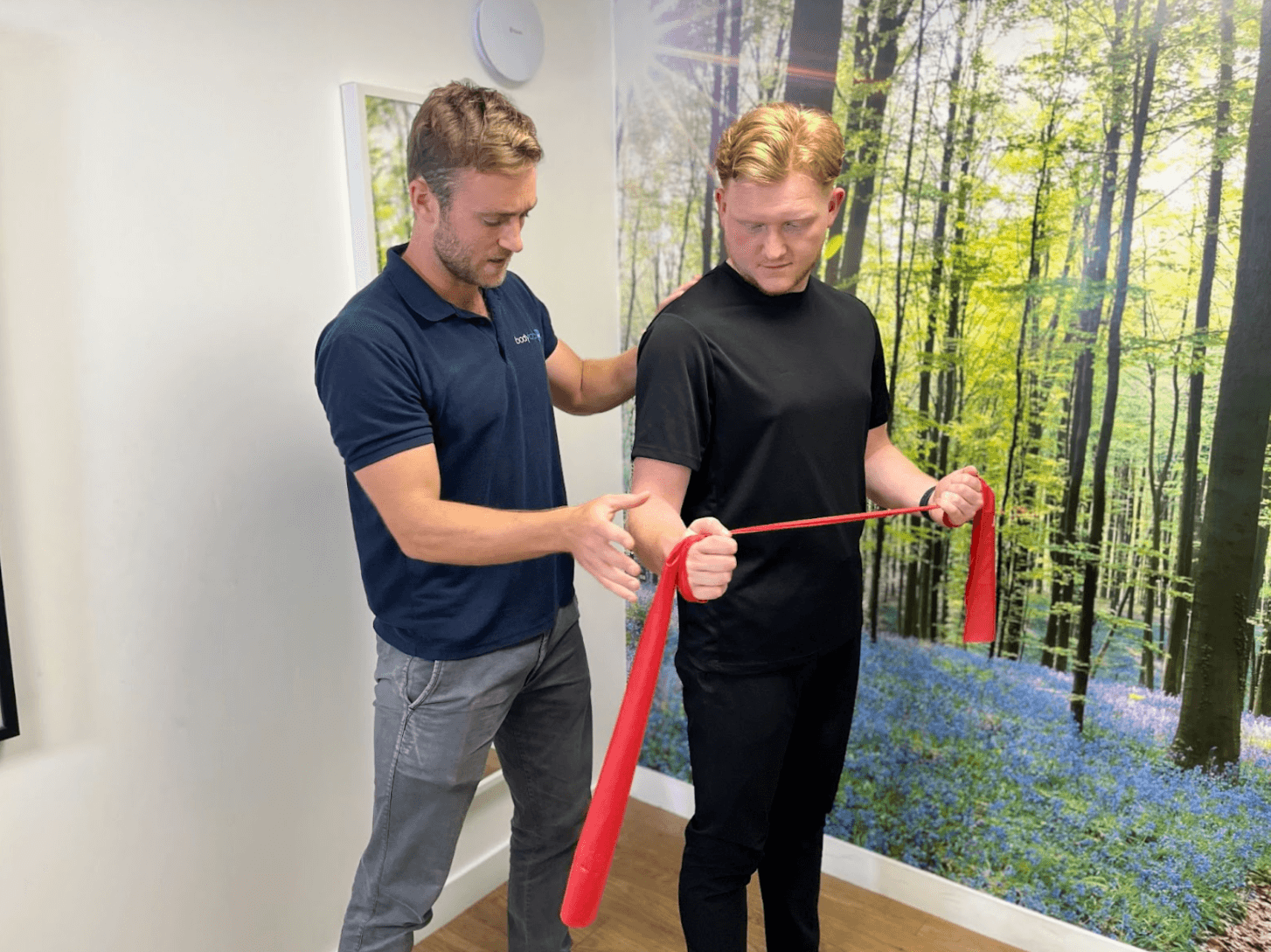
Knowing what to wear can take the guesswork out of your session. The best clothes for physiotherapy are those that help your therapist see how your body moves without restricting your comfort or modesty. Think breathable fabrics, flexible waistbands, and layers you can easily adjust.
Here’s a quick guide by treatment area:
- Shoulder, neck, or upper back: Loose T-shirt, vest top, or sports singlet so the upper body is easy to move.
- Lower back or hips: Stretchy top with leggings or tracksuit bottoms that won’t dig in when lying down.
- Knee or leg treatment: Shorts or light joggers for easy access and movement.
- Full-body or posture assessments: Comfortable activewear for physiotherapy, like gym leggings, relaxed-fit shorts, or sports tops.
If you’re unsure what to wear to a physio appointment, it’s always fine to bring a change of clothes. Many people pop a small bag in the car or under their desk before heading to the clinic. That way, you’re ready for anything without overthinking it.
Footwear Recommendations for Physiotherapy Sessions
Feet often do more work in physiotherapy than people expect.
Good footwear helps you feel stable and allows your physiotherapist to check your balance and walking pattern safely.
If you’re wondering what shoes to wear to physiotherapy, the simplest rule is to wear shoes you can move comfortably in.
Supportive trainers or lightweight athletic shoes tend to be the best choice for most sessions, especially those involving rehab or balance exercises. Consider picking a pair with a firm sole and secure fastening, ideally with lace-ups or Velcro straps that can still be easily taken on and off.
Avoid flip-flops, heels, or loose sliders, as they can make certain movements tricky or unsafe. Slip-in trainers are a wonderful alternative to these and are becoming a more common type of trainer, helping prevent you from bending over unnecessarily before and after a session.
If you’re coming straight from work, pack your trainers in a small bag so you can switch quickly before your session starts.
What to Avoid Wearing to Physiotherapy
Some outfits, though stylish, can make your session a little harder than it needs to be. Clothes that restrict movement or hide key areas of the body can limit how easily your physiotherapist helps you move and stretch. Here’s what’s best left at home:
- Tight jeans or trousers that restrict flexibility
- Heavy jumpers or bulky layers that trap heat
- Jewellery or watches that could get in the way
- Skirts or dresses that ride up during exercises
- Flip-flops, sliders, or any shoes without grip
In short, simplicity works best. Choose light, breathable layers that you don’t mind rolling up or adjusting. That way, you’ll stay comfortable and get the most from each movement.
How to Dress for Work or School Before and After Your Session
Many patients fit appointments around a busy schedule, so it helps to plan a first physiotherapy session outfit that works for both work and treatment.
The trick is to layer or pack smart. Some people wear flexible activewear under their office clothes, swapping shoes and removing a top layer just before their session. Others keep a lightweight gym bag with a change of clothes. Especially handy if your workplace dress code is on the formal side.
Think breathable fabrics and practical footwear that transitions easily from your commute to the clinic. If you’re heading straight back afterwards, quick-drying or crease-resistant clothing can save time. It’s about finding that middle ground between professional, comfortable, and ready to move.
Clothing Tips for Specific Conditions or Injuries
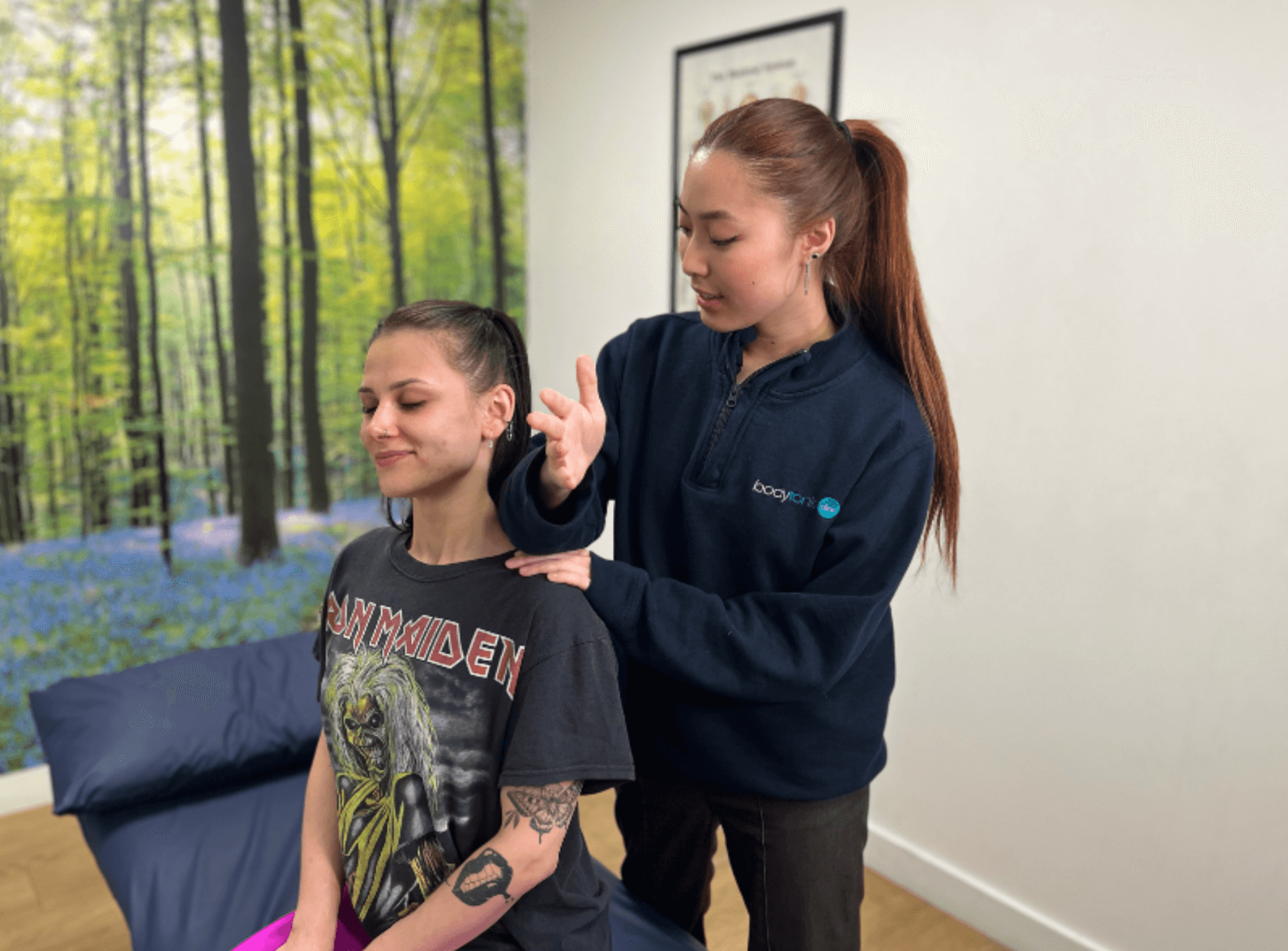
Every physiotherapy journey is a little different, so the right outfit can depend on your comfort, mobility, or treatment goals. Here are a few dress tips for physiotherapy that may help:
- Post-surgical recovery: Choose soft, loose-fitting clothes with easy fastenings; zips, drawstrings, or elastic waistbands can make changing less awkward.
- Chronic pain or stiffness: Breathable fabrics with light stretch let you move more freely without feeling restricted.
- Sports injuries: Opt for moisture-wicking activewear that supports movement and keeps you cool during exercise-based sessions.
- Limited mobility: Adaptive clothing with side openings or Velcro straps can make dressing before and after your appointment much simpler.
Whatever your reason for attending, comfort should always come first. Feeling at ease in your clothing helps you stay focused and confident throughout your session.
Comfort and Modesty Considerations
Feeling comfortable, both physically and emotionally, can make a big difference to your experience. It’s completely normal to wonder about modesty during physiotherapy, especially if it’s your first visit or you’re unsure what to expect. Physiotherapists are trained to maintain professionalism at all times, and sessions are always handled with care and respect.
If your treatment involves an area that needs to be exposed, towels or sheets are provided for your privacy. You might also feel more confident in darker clothing, or by wearing layers, you can adjust easily. The aim is for you to feel relaxed, supported, and in control.
Your comfort is always prioritised, so if you have any concerns, it’s perfectly fine to mention them before your session begins. The team is there to make you feel at ease.
Feeling prepared makes all the difference. If you’d like expert support in a welcoming, professional environment, explore our physiotherapy services. The Bodytonic Clinic team is here to help you move comfortably and confidently. Have a question before booking? Contact us, we’re always happy to chat.