



Blog


A Comprehensive Guide to Sun Damage and Pigmentation in the United Kingdom
For many people in the UK, having skin that is glowing and beautiful is a goal. However, because the sun emits so many harmful ultraviolet (UV) rays, keeping healthy skin can be quite difficult. In this blog, we will explore the topic of skincare with a particular emphasis on pigmentation and sun damage.
Understanding Sun Damage and Its Effects
The Sun and UV Rays: The Basics: The sun emits electromagnetic radiation through two types of harmful UV rays – UVA and UVB – both of which can penetrate the skin’s surface and cause damage. UVA rays, with longer wavelengths, can reach the deeper layers of the skin, leading to premature ageing and contributing to the breakdown of collagen and elastin fibres, while UVB rays, with shorter wavelengths, are primarily responsible for sunburn and can also damage DNA in skin cells, increasing the risk of skin cancer. Together, they contribute to pigmentation issues, fine lines, wrinkles, and an increased risk of skin cancer.
The Impact of Sun Damage on the Skin: Despite the UK’s reputation for cloudy weather, it is not immune to the harmful effects of the sun and harmful UV rays can still penetrate the atmosphere, leading to various skin concerns. Even on cloudy days, significant amounts of UV radiation can reach the skin, leading to various skin concerns. Studies have shown that even on overcast days, up to 80% of UV rays can reach the Earth’s surface. Over time, chronic sun exposure without proper protection can result in hyperpigmentation, uneven skin tone, fine lines, wrinkles, and an increased risk of skin cancers, including melanoma.
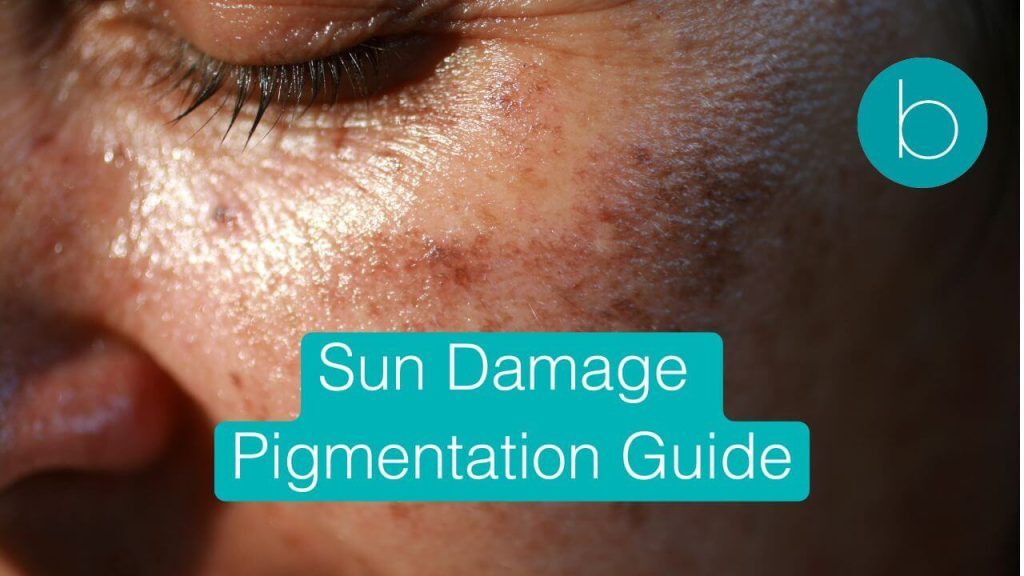
The Connection Between Sun Damage and Pigmentation: Pigmentation refers to the natural colouring of the skin, resulting from melanin production, a pigment responsible for absorbing UV radiation. When the skin is exposed to UV rays, melanocytes, specialised cells in the skin, the body produces more melanin to protect the skin from further damage. This increase in melanin can lead to uneven skin tone, dark spots and hyperpigmentation, commonly known as sunspots or age spots.
Sun-induced pigmentation, also known as solar lentigines or age spots, is one of the most common types of hyperpigmentation. Apart from sun exposure, other factors can contribute to pigmentation problems, such as hormonal changes (e.g., during pregnancy or menopause), genetic predisposition, and skin inflammation caused by acne or other skin conditions. However, sun-induced pigmentation is one of the most common concerns for individuals.
Prevention and Protection
Sunscreen: Your Skin’s Best Friend: Sunscreen is the first line of defence against sun damage and pigmentation and a crucial component of any skincare routine, acting as a physical or chemical barrier to protect the skin from UV rays. We will explore the types of sunscreens available, their proper application, and how to choose the right one for different skin types. Look for broad-spectrum sunscreens that shield against both UVA and UVB rays. Physical sunscreens containing minerals like zinc oxide and titanium dioxide reflect and scatter UV rays, while chemical sunscreens absorb and neutralise UV radiation. Opt for a sunscreen with an SPF (sun protection factor) of 30 or higher, and apply it generously to all exposed areas at least 30 minutes before sun exposure.
Sun Protection In addition to sunscreen, incorporating sun-protective clothing and accessories can enhance skincare routines and add an extra layer of defence against UV rays. Discover fashionable ways to shield your skin from the sun’s harmful effects. Consider wearing broad-brimmed hats, sunglasses with UV protection, and lightweight, long-sleeved clothing made from UPF (ultraviolet protection factor) fabrics. These items not only shield the skin from harmful rays but also add a touch of style to your summer wardrobe.
Treating Sun Damage and Pigmentation
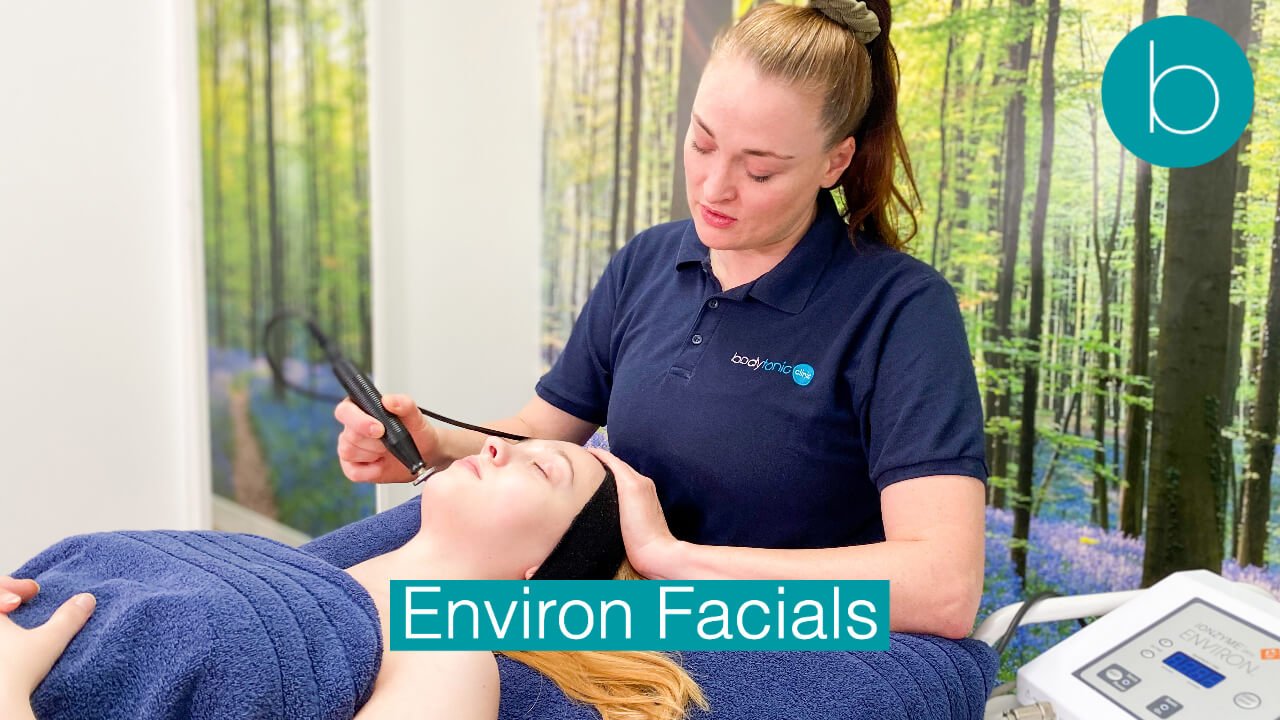
Topical Treatments for Pigmentation: Scientific advancements have led to the development of various skincare products specifically formulated to address pigmentation concerns. Ingredients like vitamin C, a powerful antioxidant, can inhibit melanin production and reduce the appearance of dark spots.
Exfoliation and Skin Renewal: Retinoids, derivatives of vitamin A, accelerate cell turnover, promoting the fading of pigmented areas and stimulating collagen production. Alpha hydroxy acids (AHAs) exfoliate the skin’s topmost layer, revealing fresh, more even-toned skin underneath. These ingredients can help lighten dark spots and even out skin tone, while also providing anti-aging benefits.
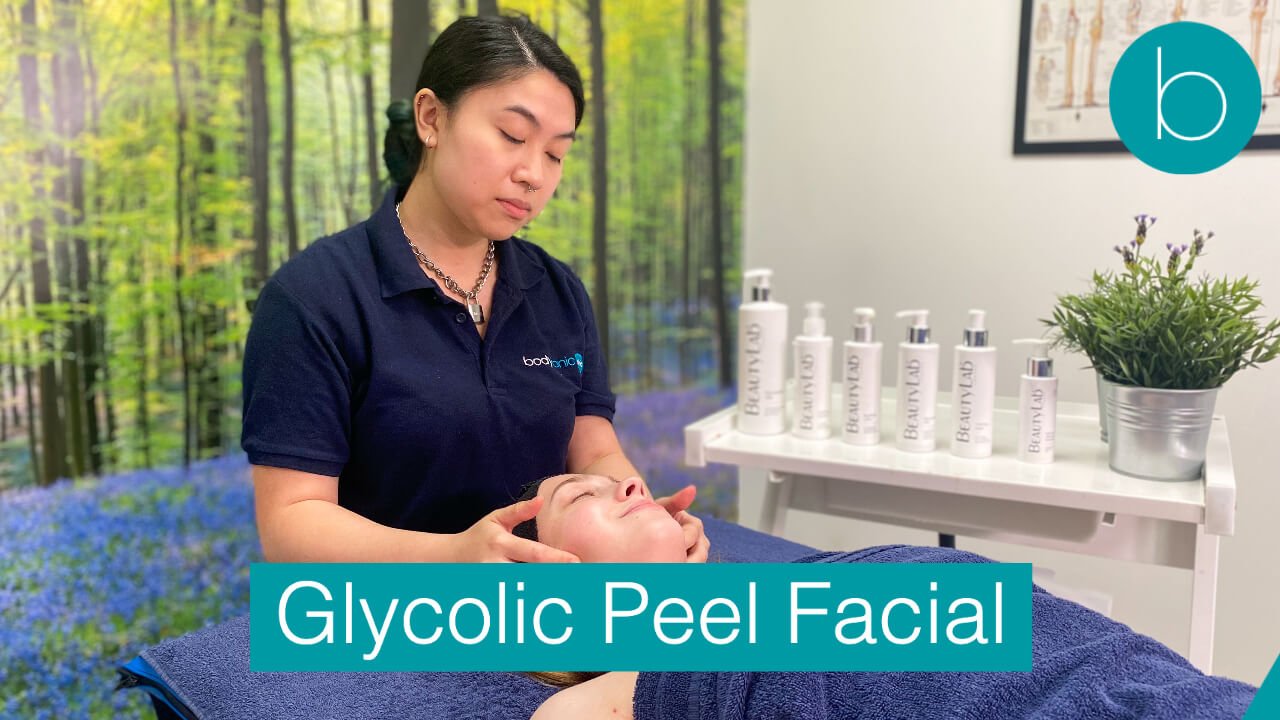
Glycolic acid is a member of the alpha hydroxy acid (AHA) family and is derived from sugarcane. Its small molecular size allows it to penetrate deeply into the skin, making it a powerful exfoliant that works to break down the bonds between dead skin cells. By doing so, it reveals fresh, youthful skin underneath, reducing the appearance of fine lines, wrinkles, and hyperpigmentation caused by sun damage. One of the key benefits of glycolic acid is its ability to stimulate cell turnover. As we age, the natural process of shedding dead skin cells slows down, leading to a dull complexion and uneven texture. Glycolic acid helps accelerate this turnover, promoting the growth of new, healthy skin cells. Through regular use, you can expect a brighter and more even skin tone as it gradually lightens dark spots and sun-induced pigmentation.
Collagen Boost and Firmness: Aside from its exfoliating properties, glycolic acid stimulates the production of collagen and elastin fibres within the skin and Retinol can help the cells produce new collagen. These essential proteins are responsible for maintaining skin firmness, elasticity, and overall youthful appearance. By encouraging collagen synthesis, glycolic acid can help reverse the signs of sun damage, such as fine lines and wrinkles, promoting a plumper and more supple complexion.
Addressing Hyperpigmentation: Hyperpigmentation, particularly caused by sun exposure, can be stubborn to treat. Glycolic acid’s exfoliating action helps to fade these dark spots gradually. For best results, it is recommended to use glycolic acid and Vitamin A products consistently and to pair them with broad-spectrum sunscreens to protect the skin from further damage.
Suitability for Different Skin Types: One of the reasons glycolic acid has gained immense popularity is its versatility. It is suitable for most skin types, but those with sensitive skin should exercise caution and start with lower concentrations or consult a dermatologist. For those with oily or acne-prone skin, glycolic acid can be especially beneficial as it helps to unclog pores and prevent breakouts. Retinol can be a strong ingredient to use beauty naturally found in the skin so is suitable for all skin types.
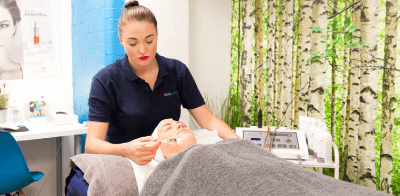
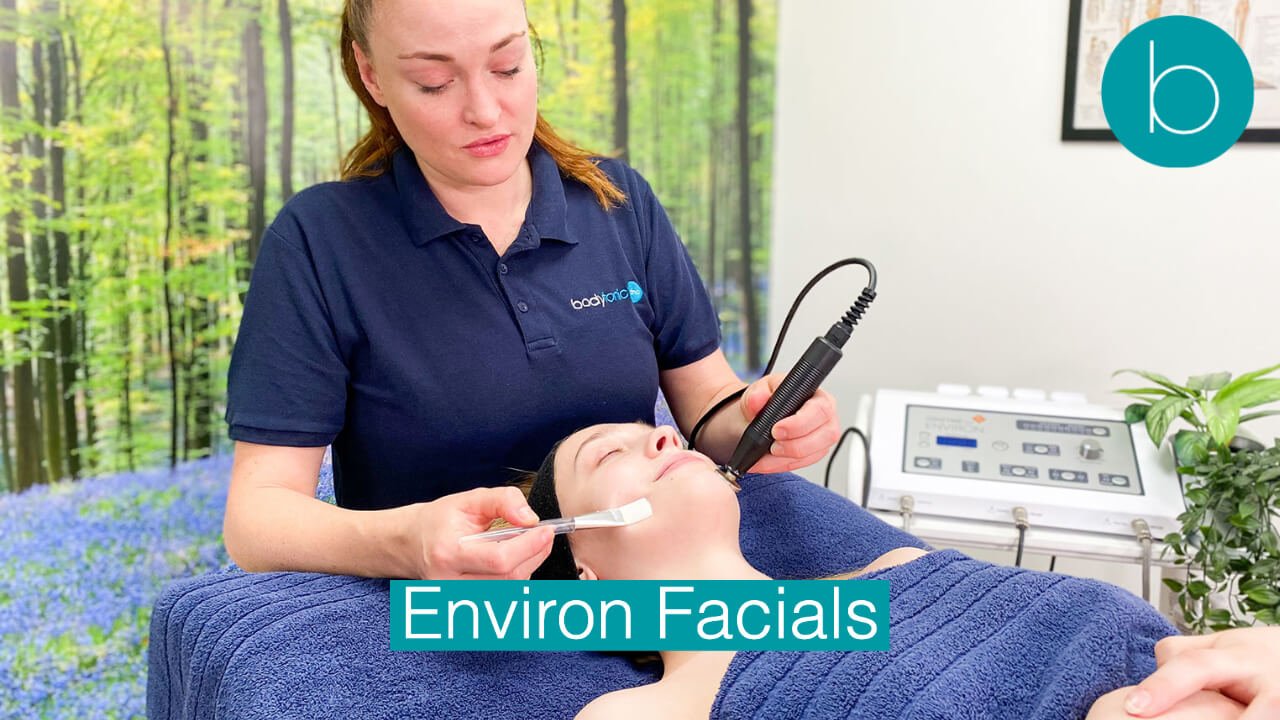
Professional Treatments: For stubborn or extensive pigmentation issues, seeking professional treatments under the guidance of a licensed dermatologist or skincare expert can yield remarkable results, professional treatments like chemical peels, microdermabrasion, and laser therapy can be highly effective. Chemical peels, which involve the controlled application of exfoliating agents, can effectively reduce hyperpigmentation and improve overall skin texture. Microdermabrasion, a non-invasive procedure that exfoliates the skin, can also aid in the removal of superficial pigmented cells. Laser therapy, including intense pulsed light (IPL) and fractional lasers, can target specific pigmented areas, breaking down melanin and encouraging new collagen formation.
Maintaining Healthy Skin and Preventing Future Damage
A Holistic Approach to Skincare: Healthy skin is not solely about external treatments. A well-rounded, holistic approach includes a balanced diet that is rich in antioxidants (such as vitamins C and E) and omega-3 fatty acids, which help combat free radicals and inflammation caused by UV exposure , staying hydrated ensures optimal skin function, and managing stress levels can reduce the impact of stress hormones on skin health, and stress management play crucial roles in maintaining skin health.
Lifestyle Changes and Habits: Certain lifestyle habits, such as smoking and excessive alcohol consumption, can exacerbate sun damage and pigmentation. Avoid smoking, as it damages collagen and impairs skin’s ability to heal. Excessive alcohol consumption can dehydrate the skin, making it more susceptible to UV damage. A good night’s sleep allows the skin to repair and regenerate, contributing to a healthy complexion. Learn how to make positive lifestyle changes for healthier, more vibrant skin.
Embracing Your Natural Beauty: In today’s beauty industry, there is growing recognition of the importance of embracing diversity, skin tones and body types. Promoting inclusivity and self-acceptance can boost confidence and empower individuals to celebrate their natural beauty.
Sun damage and pigmentation are significant concerns for individuals in the United Kingdom. However, with the right knowledge and preventative measures, everyone can maintain healthy, radiant skin. By using sun protection, incorporating appropriate treatments, and embracing a holistic approach to skincare, the UK public can confidently face the sun while preserving their skin’s natural beauty for years to come. Remember, your skin is a canvas that tells your unique story, and it deserves the best care possible. Let us embark on this journey to healthier and happier skin together!