



Blog
Lumbar Disc Bulge: Symptoms, Exercises & Expert Treatment (2026)

Written by: James Gill BOst GOsC 6039. Registered Osteopath, Founder & Clinic Director

Medically Reviewed: Lauren Egginton MChiro GCC 06282, Registered Chiropractor. Specialist in Pregnancy, Paediatric Chiropractic & Functional Rehabilitation | London.
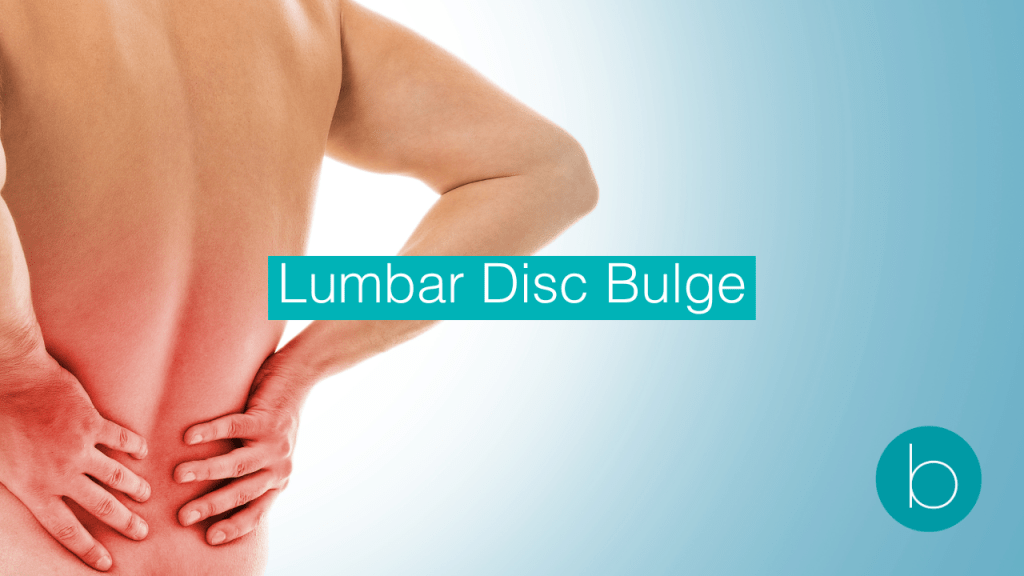
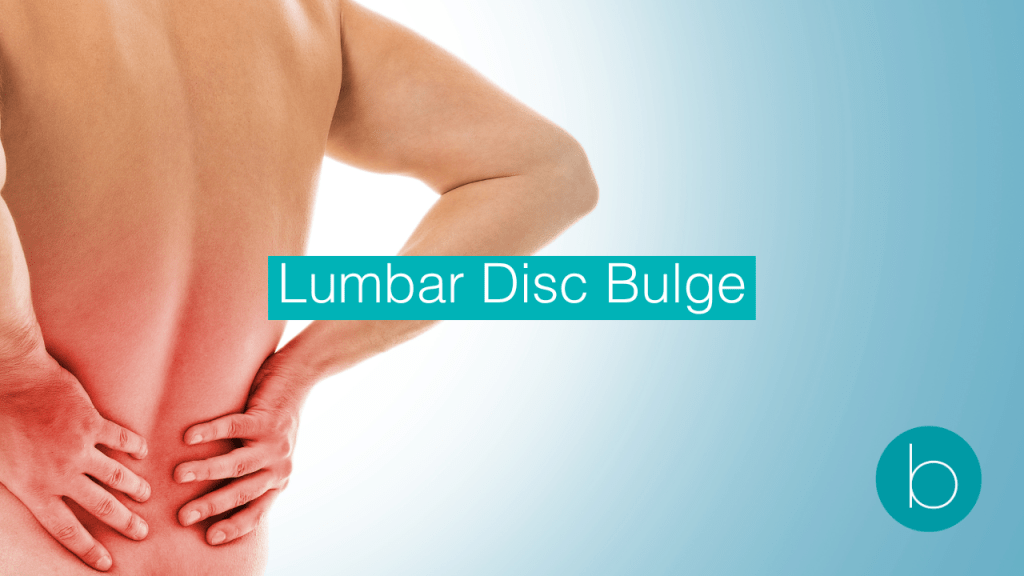
A lumbar disc bulge, often referred to as a herniated or slipped disc, is a common condition affecting the spine’s lower region. It occurs when one of the discs between the vertebrae extends beyond its usual boundaries, often compressing nearby nerves. This condition can cause significant discomfort, ranging from mild pain to significant mobility restrictions.
At bodytonic clinic, we specialise in lower back pain treatment, helping patients regain mobility and improve their quality of life through evidence-based, non-surgical care.
“A disc bulge isn’t a permanent ‘break’ in your spine; it is a functional change. With the right conservative management, the body has a remarkable ability to resorb disc material and reduce inflammation naturally.” – James Gill, Clinic Director and Registered Osteopath.
What is Lumbar Disc Bulge?
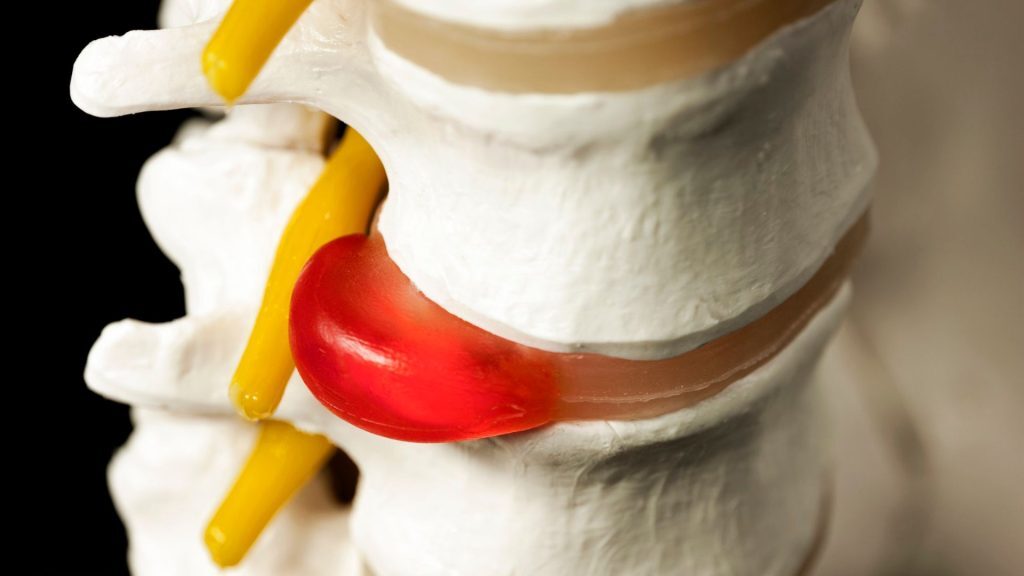
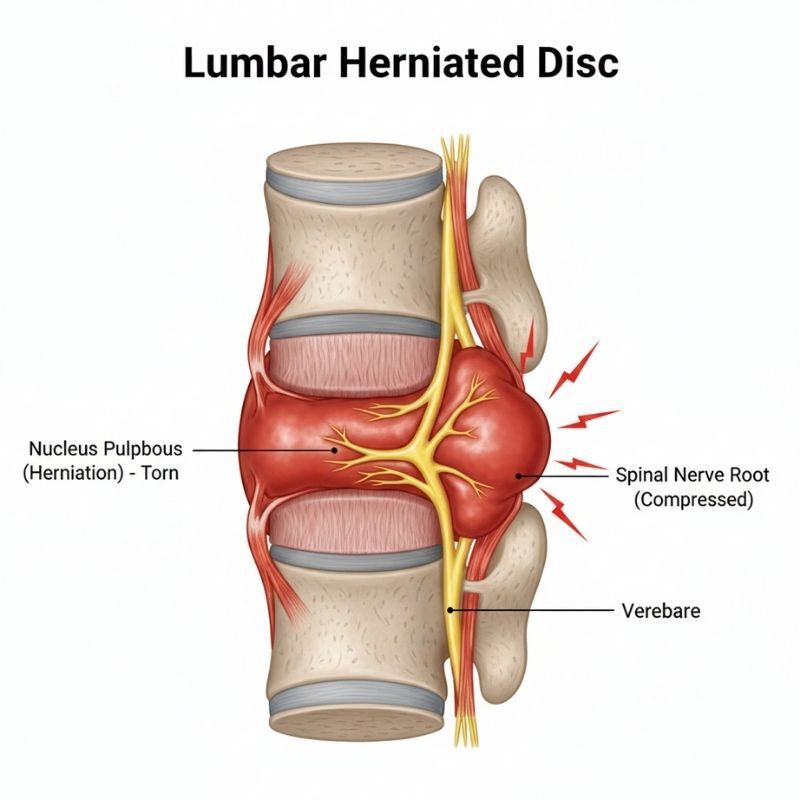
The spine is made up of vertebrae, which are cushioned by intervertebral discs consisting of a gel-like inner core (nucleus pulposus) and a tougher outer layer (annulus fibrosus). These discs act as shock absorbers and provide flexibility.
A lumbar disc bulge occurs when the disc’s outer layer weakens, allowing the inner material to protrude out slightly or fully. While a bulging disc is not always painful, it becomes problematic when it results in nerve root impingement. This typically happens in the lumbar region (lower back), specifically at the L4-L5 or L5-S1 levels, as these segments bear the highest mechanical load and are highly mobile.
What are the signs & symptoms of a Lumbar Disc Bulge?
Symptoms vary depending on the severity of the protrusion and whether the surrounding nerves are inflamed. The most common signs include:
- Lower Back Pain: Described as a dull or sharp ache in the lower back, often worsened by movement or forward bending.
- Radiating Pain (Sciatica): Pain that spreads from the lower back to the buttocks, thighs, and sometimes down to the feet. You can learn more about this on our Sciatica treatment page.
- Numbness or Tingling: Often described as sensations of “pins and needles” in the legs or feet (paresthesia).
- Weakness: Muscle weakness in the legs and in severe cases can result in difficulty lifting the foot (foot drop).
- Stiffness: Reduced flexibility or difficulty performing everyday activities like bending or standing.
- The Valsalva Effect: Worsened symptoms during sneezing, coughing, or straining, which increases intradiscal pressure.
Advanced Treatment: Shockwave Therapy for Back Pain
For chronic or persistent cases where standard manual therapy has reached a plateau, we offer Advanced Shockwave Therapy. Unlike many clinics, we utilise both Radial and Focused shockwave to provide comprehensive care.
Radial Shockwave Therapy
Ideal for treating the broad muscle groups of the lower back and gluteals that often become “locked” or develop painful trigger points due to a disc bulge. It helps relax the surrounding musculature and improve local circulation.
Focused Shockwave Therapy
Focused shockwave allows us to target deeper spinal structures with pinpoint accuracy. It is highly effective for treating deep-seated inflammation and ligamentous pain that radial shockwave or manual massage simply cannot reach.
“By combining Focused and Radial shockwave, we can address both the deep structural inflammation and the superficial muscle guarding simultaneously. It’s a game-changer for long-term recovery.” – Lauren Egginton, Chiropractor.
What are the common causes of a Lumbar Disc Bulge?
Several factors can contribute to the development of a lumbar disc bulge, including:
- Age-Related Degeneration: Over time, spinal discs lose water content, becoming less flexible and more prone to damage.
- Repetitive Strain: Activities involving frequent bending, lifting, or twisting can stress specific areas of the spine.
- Injury or Trauma: A sudden impact or fall can cause disc damage.
- Poor Posture: Prolonged sitting or unsafe lifting techniques can increase strain on the lumbar spine.
- Excessive Weight: Being overweight or obese places additional pressure on the spine.
- Genetics: A family history of spinal issues can predispose individuals to disc problems.
How is Lumbar Disc Bulge diagnosed?
Getting an accurate and speedy diagnosis is essential for effective treatment. At bodytonic clinic, our practitioners conduct a comprehensive assessment, which will include:
- Getting a Patient History: Discussing your symptoms, daily activities, and any recent injuries or events.
- Physical Examination: Assessing posture, range of motion, reflexes, and muscle strength.
- Neurological Tests: In cases involving nerve compression, specific tests may identify the affected nerves.
- Imaging Studies: If necessary, we may recommend an MRI or CT scan to confirm the diagnosis and assess the severity of the bulge.

Treatment options for Lumbar Disc Bulge?
Treatment plans for lumbar disc bulges vary based on symptom severity and patient goals. Our clinic offers several evidence-based options:
- Physiotherapy: Focuses on improving mobility, strengthening the core muscles, and reducing pain through tailored rehabilitation exercises and manual therapy techniques.
- Chiropractor: Seeing a chiropractor for gentle spinal adjustments can help improve spinal health and alleviate nerve pressure.
- Osteopathy: Osteopathy involves a holistic approach, addressing the cause of pain and providing hands on treatment to promote healing and improve overall function.
- Massage Therapy: Massage Therapy is a great adjunct to treatment, which helps relieve muscle tension, improve circulation, and support recovery.
- Pain Management: Over-the-counter pain relievers or prescribed medications may be recommended in conjunction with manual therapies.
- Lifestyle Modifications: Ergonomic changes, improved posture, and weight management can reduce strain on the lumbar spine and prevent future injury.
- Advanced Interventions: For severe cases unresponsive to conservative care, injections or surgical options might be necessary. Your NHS GP or a specialist can provide guidance if this becomes necessary.
How long does Lumbar Disc Bulge last?
Recovery time can vary widely depending on the severity of the condition and the treatment approach. Mild to moderate cases often improve within a few weeks to a couple of months with consistent care and rehabilitation. Severe cases, especially those involving significant nerve compression, may require longer recovery periods or advanced interventions.

Can Lumbar Disc Bulge be prevented?
While it’s not always possible to prevent a lumbar disc bulge, certain lifestyle changes and habits can significantly reduce the risk:
- Exercise Regularly: Focus on strengthening your core and maintaining flexibility.
- Practice Proper Lifting Techniques: Bend at the knees, not the waist, and avoid twisting while lifting.
- Maintain a Healthy Weight: This will help to reduce pressure on the lower spine.
- Improve Posture: Sit and stand with proper alignment to minimise strain.
- Take Breaks from Sitting: Prolonged sitting can increase spinal pressure; so be sure to take short walks or stretch every 30 minutes.

What are the best exercises for Lumbar Disc Bulge?
Exercise is a key component of recovery and prevention. Some effective exercises include:
- Cat-Camel Stretch: this improves spinal flexibility and relieves tension.
- Pelvic Tilts: helps with strengthening core muscles and stabilises the lower back.
- Partial Crunches: helps to strengthen the abdominal muscles without straining the back.
- Hamstring Stretches: Alleviates tightness in the back of the thighs.
- Wall Sits: Builds strength in the lower body and supports the lumbar region.
Always consult a professional before starting new exercises to ensure they are safe and appropriate for your condition.

Do I need to go to the GP or visit my local hospital for Lumbar Disc Bulge?
For mild symptoms, we recommend visiting our clinic for an initial assessment. Our team of physiotherapists, osteopaths, and chiropractors can create a tailored treatment plan to address your pain. However, you should consult a GP or visit the hospital if:
- You experience severe or worsening pain.
- There is numbness or weakness in the legs.
- You have difficulty controlling your bladder or bowels (a potential sign of cauda equina syndrome, a medical emergency).
- Conservative treatments do not improve symptoms within a few weeks and your practitioner recommends it.
Lumbar disc bulges can cause significant discomfort, but with the right care and lifestyle changes, most individuals achieve relief and return to their normal activities. At our clinic, we are committed to providing personalised, holistic care through physiotherapy, osteopathy, chiropractic care, and massage therapy. If you’re experiencing lower back pain or related symptoms, book an appointment with us and start your journey toward recovery.
References
- National Institute of Neurological Disorders and Stroke (NINDS). “Herniated Discs: Causes and Treatments.”
- Harvard Health Publishing. “Tips to Prevent Back Pain and Protect Your Spine.”
- American Academy of Orthopaedic Surgeons (AAOS). “Intervertebral Disk Problems.”
- Journal of Orthopaedic & Sports Physical Therapy. “Evidence-Based Approach to Lumbar Disc Conditions.”
- Spine-Health. Managing Lumbar Herniated Disc Pain.
Axa / Vitality Insurance Accepted*
Related Articles & Resources
If you found this guide helpful, you may also be interested in our other expert resources on spinal health and recovery:
- The Ultimate Guide to Sciatica: Causes and Treatments – Learn how a lumbar disc bulge often leads to sciatic nerve pain and how to manage it.
- Focused vs. Radial Shockwave Therapy: Which is Right for You? – A deep dive into the technology we use to treat chronic spinal inflammation.
- 5 Desk Posture Tips to Protect Your Lower Back – Simple ergonomic changes to prevent disc degeneration while working from home.
- What is Osteopathy? A Holistic Approach to Back Pain – Understanding how our osteopaths look beyond the symptoms to find the root cause of your pain.
References
- NINDS: Herniated Discs: Causes and Treatments.
- Harvard Health: Herniated Discs: Causes and Treatments.
- JOSPT: Herniated Discs: Causes and Treatments.
- NICE Guidelines:Herniated Discs: Causes and Treatments.