
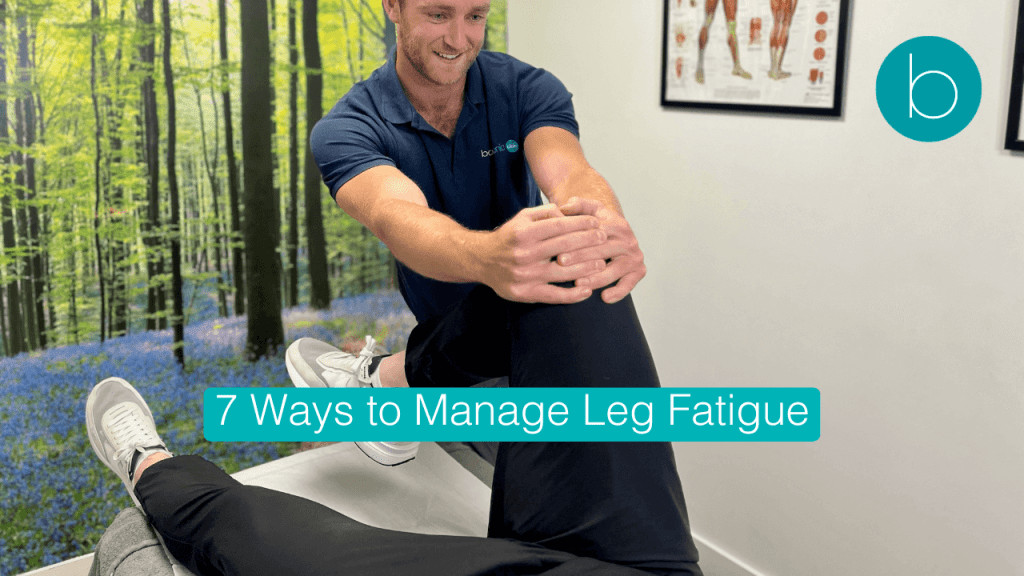


Patient receiving physiotherapy treatment at Bodytonic Clinic in London, Canada Water SE16 and Stratford E15 E20
open blog

Blog

7 Ways to Manage Leg Fatigue

Written by: James Gill BOst GOsC 6039. Registered Osteopath, Founder & Clinic Director

Medically Reviewed: Yannick Gracia, M.Ost GOsC 10475. Registered Lead Osteopath

Got a question?

📍 Live in London? Speak to a specialist for free

You are likely looking at your feet right now wondering why a specific spot hurts, or how pressing a point on your heel can relieve lower back pain. You have found the right place. The official Bodytonic Clinic Reflexology Map, used by our therapists in Canada Water and Stratford. While this chart is a powerful tool for understanding your body, nothing beats the precision of a professional treatment.

Leg fatigue tends to appear after long hours on your feet, and it’s actually quite common among people with active or standing jobs.

That heavy, tired feeling can sometimes be a sign that your circulation needs a little extra help. The good news is that there are several simple, everyday steps you can try to manage leg fatigue and bring some ease back to your stride.

Small changes to your routine, along with gentle self-care and professional guidance, can make a noticeable difference. So, let’s look at a few of the best ways to reduce leg fatigue and support healthier movement.

1. Elevate Your Legs to Promote Blood Flow and Reduce Swelling
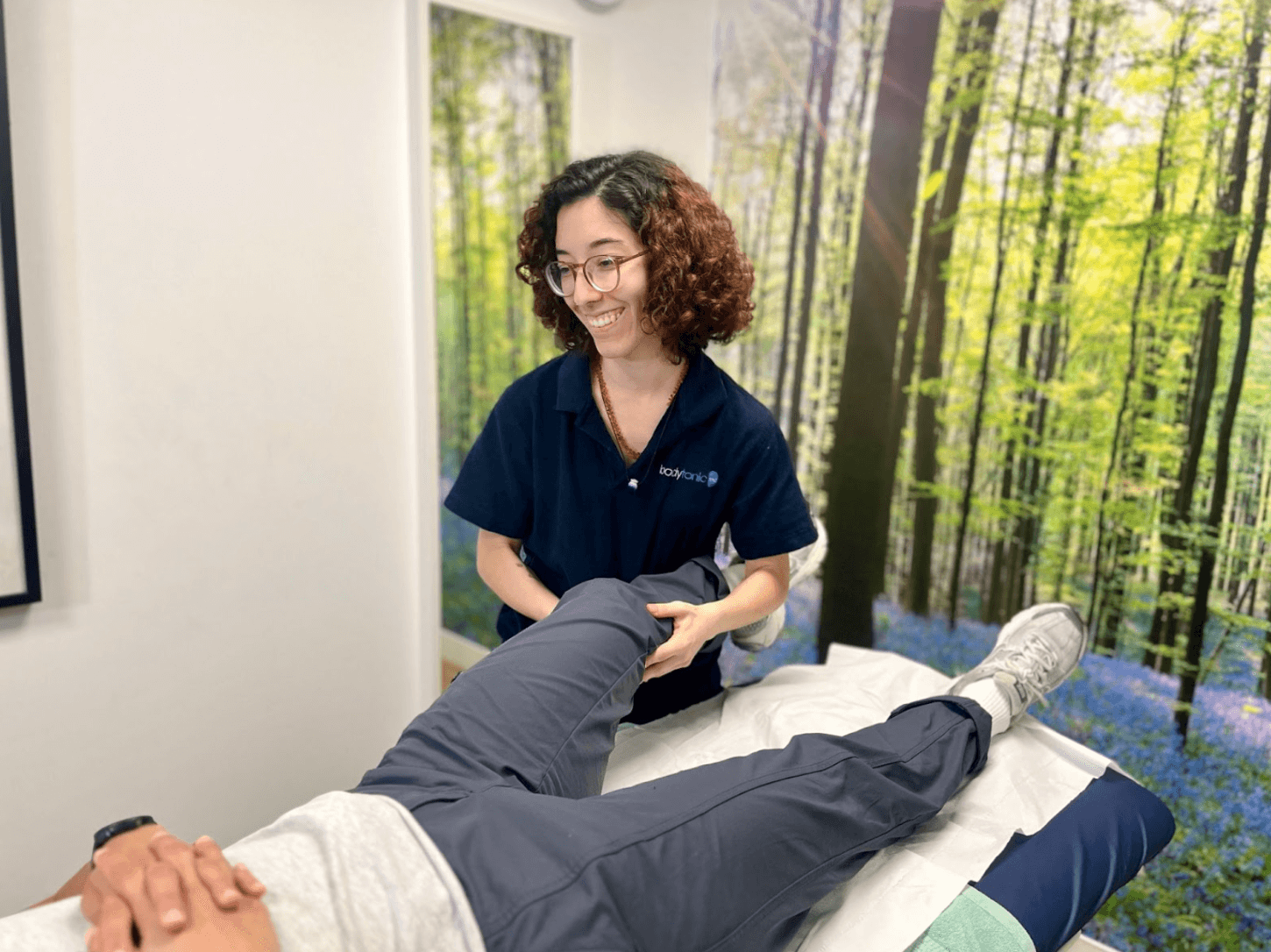
Patient receiving physiotherapy treatment at Bodytonic Clinic in London, Canada Water SE16 and Stratford E15 E20

It might sound straightforward, but leg elevation is one of the most effective natural remedies for aching legs. By resting your legs above heart level, you help your veins return blood more efficiently, easing that heavy sensation after a long shift. For anyone searching for circulation tips for standing jobs, this one could be a game-changer.

Try these simple ideas:

  • Prop your legs on a stack of pillows for 15 – 20 minutes after work.
  • Lie on the floor and rest your feet flat against a wall for gentle support.
  • Combine elevation with deep, steady breathing to calm the body.
  • Pair with light stretching to help improve flexibility and reduce stiffness.

Using this small daily habit encourages recovery and reduces swelling. When combined with other methods like compression therapy for legs or gentle movement can help your legs feel lighter and more energised.

2. Incorporate Targeted Physiotherapy Exercises to Strengthen Legs

A few minutes of focused movement each day can make a big difference if you’re trying to manage leg fatigue and improve endurance. Physiotherapists often recommend strengthening and stretching routines that keep your muscles active and support better posture. These movements not only help circulation but can reduce that end-of-day heaviness many people feel after being on their feet for hours.

If you’re wondering how to relieve tired legs through gentle exercise, start with these:

  • Ankle circles – improve flexibility and reduce stiffness.
  • Calf raises – build strength and help your legs cope with standing jobs.
  • Hamstring stretches – ease tightness that can affect posture and balance.
  • Wall sits – increase lower body endurance without impact.

For those dealing with ongoing discomfort or physiotherapy for leg pain, a customised plan from a qualified therapist can make exercises safer and more effective.

Learn more about physiotherapy for leg strength to find what works best for your body.

3. Use Chiropractic Treatments to Improve Lower Limb Function

The connection between your spine and legs is stronger than you might think. When posture shifts or muscles tighten from long hours of standing, this can sometimes affect how your legs feel and move. Chiropractic care gently focuses on alignment and mobility, which may help your body move more comfortably.

Many people explore chiropractic alignment leg sessions to ease tension, improve balance and encourage better lower-limb function. Small postural adjustments can support circulation and flexibility, reducing that heavy or tired sensation.

To find out more about how this approach might benefit you, explore chiropractic care for leg fatigue and learn how spinal alignment can help support everyday comfort and movement.

4. Osteopathic Techniques to Alleviate Muscle Tension and Improve Mobility
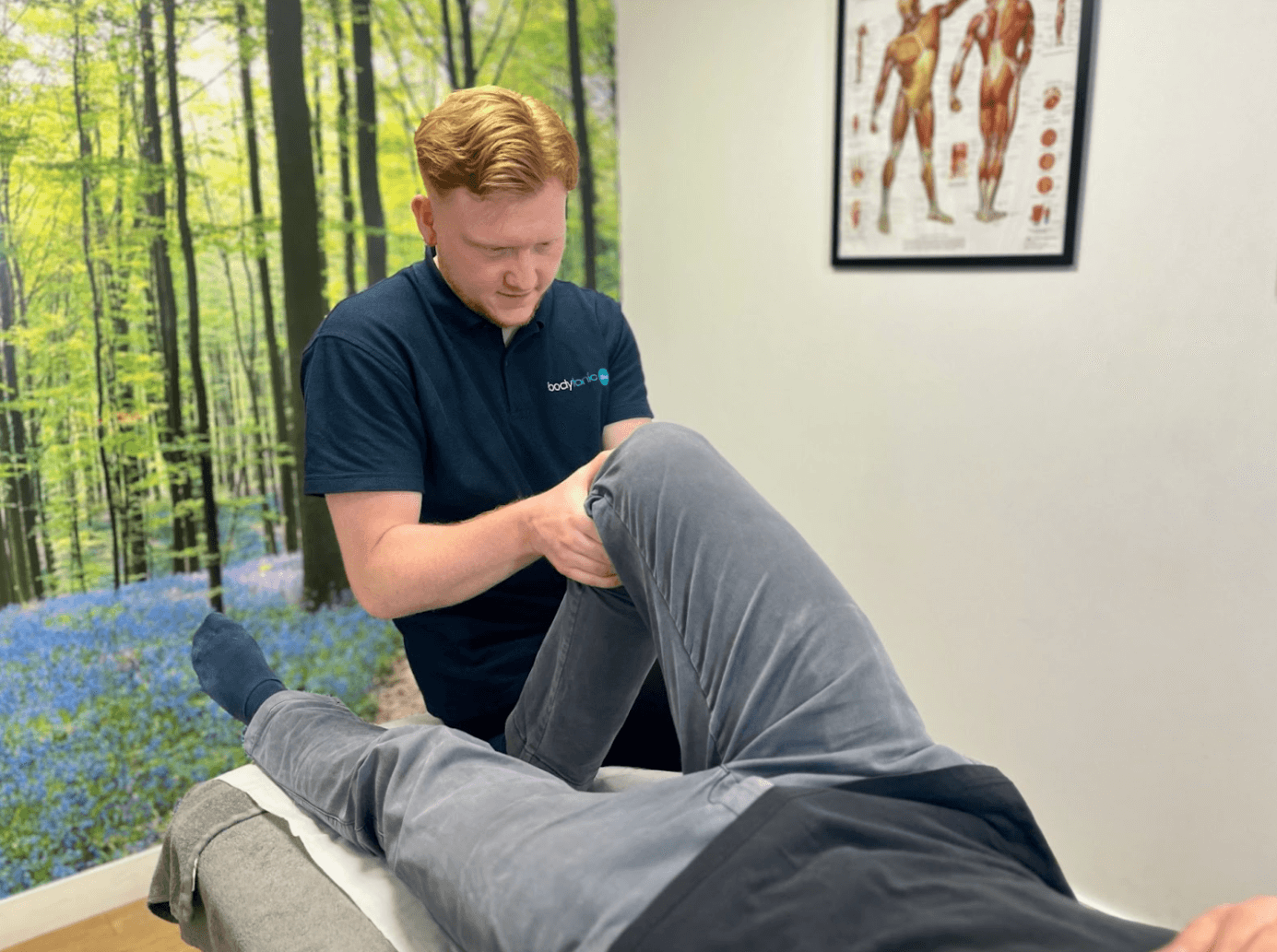
Patient receiving physiotherapy treatment at Bodytonic Clinic in London, Canada Water SE16 and Stratford E15 E20

For anyone experiencing tight, heavy legs, osteopathy can sometimes provide a helpful way to encourage freer movement. Osteopaths often take a whole-body approach, looking at how posture, circulation and muscle balance all play a part in how to relieve tired legs. By easing stiffness and improving joint mobility, osteopathic care can support recovery and help you feel lighter on your feet.

Many people find that osteopathy for lower limb health works well alongside lifestyle changes such as regular stretching or gentle walks. An osteopath may use hands-on techniques to release muscle tension, promote healthy blood flow and guide the body back to more balanced movement.

These sessions tend to be calm and comfortable, making them suitable for most adults. Even those who prefer a more relaxed, low-impact option.

Find out more about osteopathy for leg tension relief and how it can support everyday mobility and comfort.

5. Apply Compression Therapy for Faster Recovery

If your legs often feel tired or achy after standing or walking all day, compression therapy for legs might help support recovery.

Compression socks or sleeves apply gentle, consistent pressure that can improve blood flow and help reduce swelling. Especially after long shifts or workouts. For many people, this simple support can make a noticeable difference in comfort and endurance.

A few helpful tips:

  • Choose socks that fit snugly but not tightly. Comfort is key.
  • Wear them during your working hours or flights, then remove them to rest.
  • Wash and replace them regularly to maintain elasticity.
  • Speak to a healthcare professional if you have circulation issues before use.

Used sensibly, compression garments can be a convenient way to manage leg fatigue and promote better circulation. Pair them with stretching, hydration and movement for the best all-round results.

6. Stay Hydrated and Maintain Proper Nutrition to Support Recovery

Dehydration can make your legs feel heavy and achy, as muscles rely on water and minerals to function properly. Staying hydrated is one of the easiest natural remedies for aching legs, helping your body recover and maintain healthy circulation.

Nutrition plays a key part too. Minerals like magnesium and potassium support muscle repair and energy balance.

Try adding:

  • Bananas and avocados – rich in potassium.
  • Leafy greens – good magnesium sources.
  • Whole grains and nuts – steady energy release.
  • Plenty of water – sip regularly throughout the day.

These small habits can help manage leg fatigue naturally, keeping your legs feeling lighter and more resilient.

7. Plan Regular Rest Periods to Prevent Overuse Injuries

Your legs work hard every day, so it’s natural for them to feel tired if they rarely get a break. Overuse can build quietly, especially in jobs that involve long periods of standing or walking. Scheduling short, regular rests helps your muscles recover and keeps circulation healthy.

Whenever possible, sit for a few minutes each hour or shift your weight from one leg to the other. Light stretches or a brief walk can stop stiffness from setting in.

If fatigue continues, professional guidance can be useful. The team here at Bodytonic Clinic in Canada Water and Stratford can help you find gentle, effective ways to support comfort and mobility. Contact us today to discover what might work best for you.

Scroll to Top
Osteopathy
MSK Physiotherapy
Chiropractor
Shockwave
Men's Health
Massages
Beauty Treatments & Waxing
Foot Health
Pilates
Clinics