




Blog
Myotherapy vs Osteopathy: What’s the Difference?

Written by: James Gill BOst GOsC 6039. Registered Osteopath, Founder & Clinic Director

Medically Reviewed: Yannick Gracia, M.Ost GOsC 10475. Registered Lead Osteopath
Got a question?
📍 Live in London? Speak to a specialist for free…
You’ve probably heard of osteopathy. And maybe even myotherapy. But knowing what each one actually does-that’s where things can get a bit fuzzy.
At Bodytonic Clinic, we’re often asked which therapy works best for different types of pain or injury.
So, rather than leave you guessing, we’ve put together this easy-to-follow guide. It’ll break down how each therapy works, what it’s good for, and how they compare. Whether you’re stiff from sitting all day or sore from a workout, this might just help you figure out your next move.
Treatment Techniques
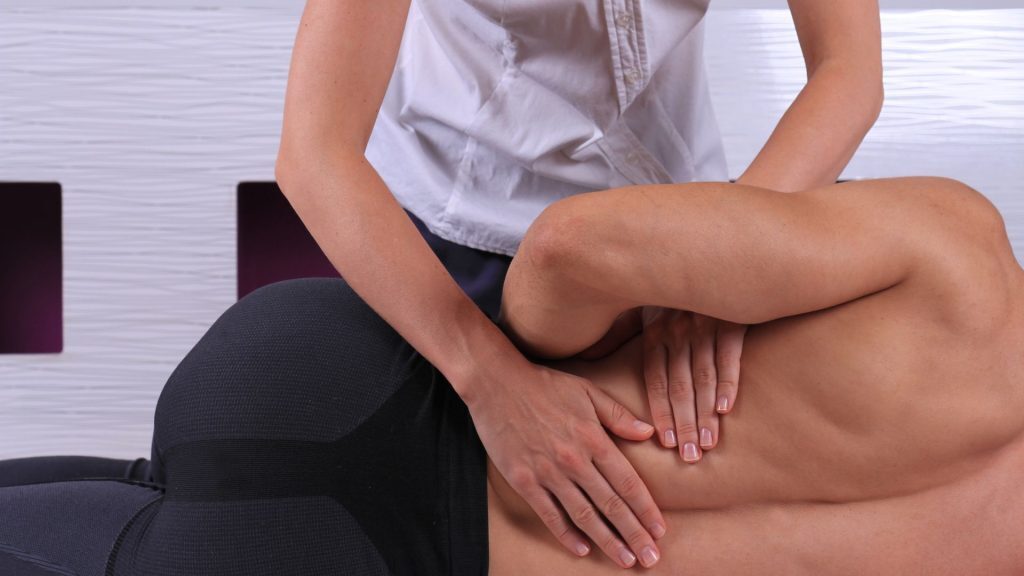
The way each therapy works with your body is where the differences really start to show.
Myotherapy centres around soft tissue treatment-so expect techniques like trigger point therapy, deep tissue massage, and sometimes dry needling. These are used to help ease muscle tension, break down knots, and reduce pain from overuse or poor posture. Myotherapists tend to work more directly on muscular tightness and related movement issues.
Osteopathy, in contrast, tends to look at the body as a moving system. Alongside soft tissue techniques, osteopaths often use joint manipulation, gentle mobilisation, and articulation-all focused on improving how your joints, spine, and muscles work together. The aim is often to improve structural function rather than just release tension.
That said, both therapies can feel surprisingly similar at times-especially if you’re receiving hands-on care for back pain or a stiff neck. Still, the focus and rationale behind the techniques differ quite a bit.
Approach to Pain Management
Pain doesn’t always show up in the same way for everyone. That’s why the way myotherapy and osteopathy tackle it can feel quite different.
Osteopathy looks at how your body functions as a whole. It often focuses on finding imbalances or movement restrictions that could be affecting joints or muscles. Whether you’re dealing with long-term back pain or tension from poor posture, osteopaths aim to restore better function to the body-often working with issues like joint pain, sciatica, and muscle stiffness.
Myotherapy, by contrast, tends to zoom in on soft tissue pain. It’s particularly helpful for muscular tension, minor injuries, and recovery from repetitive strain. The techniques often work well for those managing ongoing stress or physical activity where muscles take the brunt of it.
Both therapies can support chronic or acute pain-but the approach and techniques vary. It’s not about which is better, but about what your body actually needs, and what feels right for your symptoms.
Use of Joint Manipulation

For some people, joint manipulation sounds a bit intense-others swear by it. But what is it, really?
Osteopaths are trained to use joint manipulation, which usually involves quick, precise movements to help improve mobility or relieve stiffness. You might hear a pop or click, but it’s not as dramatic as it sounds. It’s a safe, controlled technique often used for things like lower back pain or neck tightness-especially when joints aren’t moving as freely as they should.
Myotherapists, on the other hand, don’t perform joint manipulation. Their work focuses on soft tissue-muscles, tendons, and fascia-rather than the joints themselves.
If you’re someone who feels uneasy about joint cracking or prefers gentler approaches, you might lean more towards myotherapy. But if you’re struggling with restricted movement or structural discomfort, manipulation can sometimes make a noticeable difference-especially when used alongside other techniques.
Patient Assessment
Your first appointment sets the tone for everything that follows, and both osteopaths and myotherapists spend time figuring out what’s really going on.
Osteopaths tend to take a more medical-style approach. They’ll usually start with a detailed case history-asking about your symptoms, lifestyle, and any past injuries-followed by a full-body assessment. This might include checking posture, joint mobility, and muscle function to spot any deeper imbalances or restrictions. From there, they’ll build a plan that often combines manual techniques with advice on movement or posture.
Myotherapists, while still thorough, tend to focus more on the muscular system. They’ll look at where the pain is coming from and how it’s affecting your movement, often using palpation and range-of-motion tests to guide treatment. Plans are usually tailored around your goals-whether that’s feeling looser, moving better, or recovering from exercise.
Both aim to create something that’s not off-the-shelf but shaped to fit you.
Types of Patients Treated

While there’s overlap in who might benefit from each therapy, some differences do stand out depending on your lifestyle, pain type, or treatment preferences.
Athletes and active individuals
- Osteopathy: Helpful for joint restrictions, postural issues, or alignment problems that affect performance
- Myotherapy: Great for easing muscle tightness, speeding up recovery, and managing fatigue
Office workers and people with sedentary lifestyles
- Osteopathy: Often used to address structural tension from long hours sitting, like neck or back discomfort
- Myotherapy: Targets common desk-bound symptoms like shoulder tension, headaches, and muscle fatigue
Pregnant or postpartum women
- Osteopathy: Can support pelvic and spinal changes, using gentle techniques during and after pregnancy
- Myotherapy: May ease general muscular discomfort and support soft tissue recovery
Ageing adults
- Osteopathy: Often used for joint stiffness or mobility issues
- Myotherapy: Helps keep muscles supple and moving well without added strain
So, what’s the difference between myotherapy and osteopathy? It mostly comes down to what your body needs. If your issue feels more structural, like joint restriction or postural alignment, osteopathy might be a better fit. If your muscles are tight, tired, or just not moving the way they used to, myotherapy could be the way to go.
Still unsure? You’re welcome to book online or contact us to chat with one of our experienced practitioners. They’ll help you find the right path forward-without the guesswork.
Bupa / Axa Insurance Accepted*