



Blog
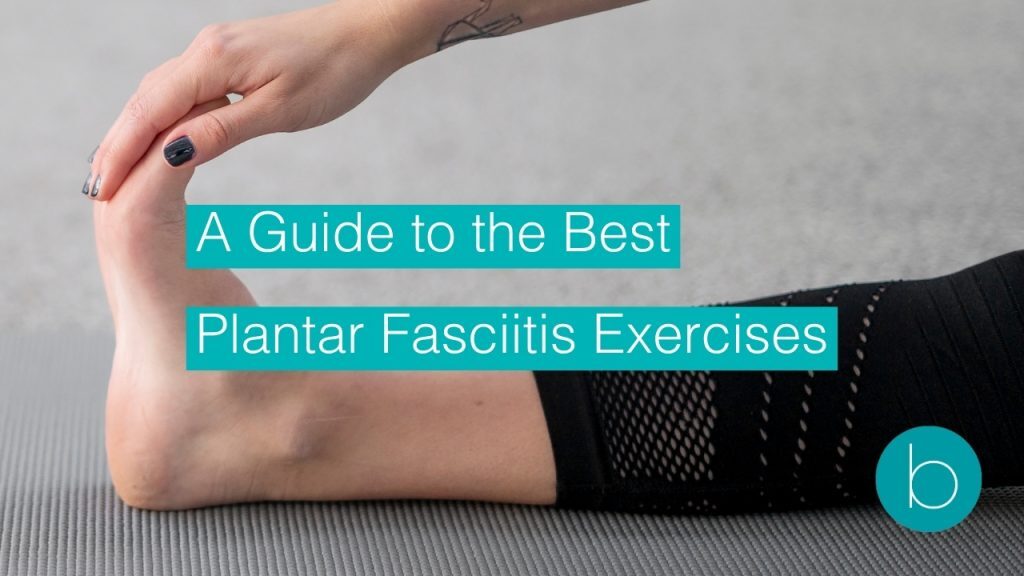
A Guide to the Best Plantar Fasciitis Exercises

Written by: James Gill BOst GOsC 6039. Registered Osteopath, Founder & Clinic Director

Medically Reviewed: Yannick Gracia, M.Ost GOsC 10475. Registered Lead Osteopath
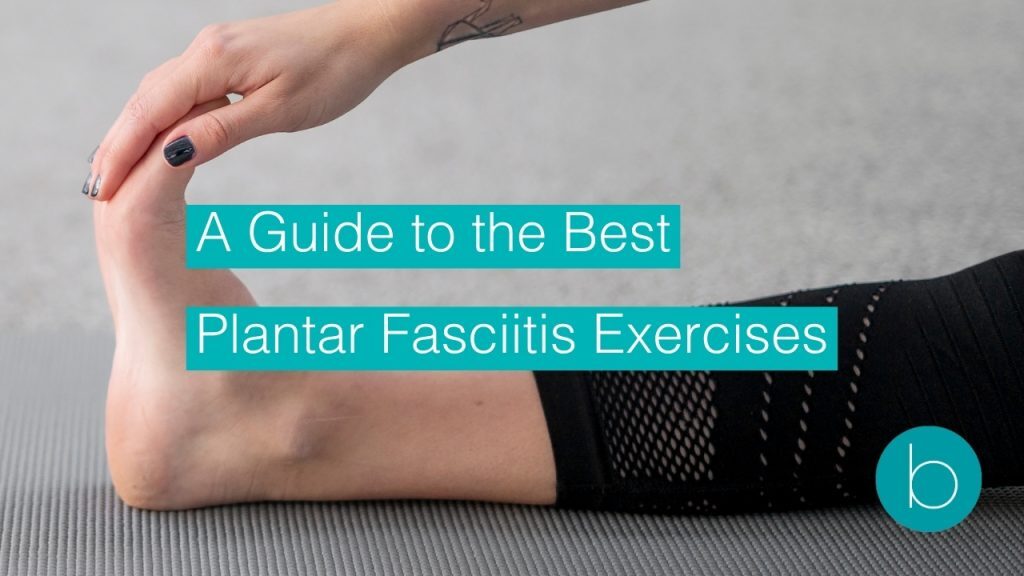
Plantar fasciitis is a common condition that can cause significant pain and discomfort in the heel and bottom of the foot, often impacting daily activities and overall quality of life. At Bodytonic Clinic, our multi-disciplinary team of Osteopaths, Physiotherapists, and Chiropractors across Canada Water and Stratford specialise in diagnosing the root cause of heel pain, ensuring your recovery is based on more than just symptom management.
This condition occurs when the plantar fascia, a thick band of tissue connecting the heel bone to the toes, becomes inflamed. While there are many different types of plantar fasciitis treatment available, incorporating specific exercises into your routine can help manage and reduce the symptoms of plantar fasciitis.
In this guide, we provide a range of exercises designed to stretch and strengthen the affected area, promoting better foot health and reducing pain. These exercises can be performed at home with minimal equipment, making them accessible to everyone. However, for chronic cases where the tissue has thickened (fasciosis), home exercises alone may be insufficient. In these instances, we often utilise Radial Shockwave Therapy to jumpstart the body’s natural healing process.
It is crucial to consult with a healthcare provider before starting any new exercise regimen. This ensures that the exercises are suitable for your specific condition and do not exacerbate symptoms. By understanding and regularly practising these exercises, individuals suffering from plantar fasciitis can take proactive steps towards managing their symptoms and improving our overall foot health.

Understanding Plantar Fasciitis
Plantar fasciitis is a condition characterised by inflammation of the plantar fascia, a thick band of tissue that runs across the bottom of your foot and connects your heel bone to your toes.
This inflammation typically results from excessive strain or tension on the tissue, leading to heel pain that can be particularly severe with the first steps in the morning or after periods of inactivity. Our clinical data shows that many patients presenting at our Stratford and Canada Water clinics also suffer from calf tightness or pelvic misalignments, which our Chiropractors and Osteopaths address to take the pressure off the foot.
The exact cause of plantar fasciitis is often multifactorial, involving a combination of lifestyle, biomechanical, and environmental factors. Common causes include overuse from activities such as running or prolonged standing, improper footwear that lacks adequate support, and anatomical factors such as flat feet or high arches.
The primary symptom of plantar fasciitis is a sharp, stabbing pain in the bottom of the heel, which feels like walking on glass. This pain is usually most intense with the first steps in the morning or after long periods of rest. Other symptoms can include swelling, redness, and a burning sensation in the affected area.
Several risk factors can increase the likelihood of developing plantar fasciitis. These include age (most common between 40 and 60), certain types of exercise (such as long-distance running), occupations that require prolonged standing or walking on hard surfaces, obesity, and foot mechanics, such as flat feet or an abnormal walking pattern.
Early diagnosis and treatment of plantar fasciitis are needed to prevent the condition from worsening. Treatment typically includes a combination of rest, ice application, and over-the-counter pain relievers. However, incorporating stretching for plantar fasciitis into your daily routine can significantly reduce symptoms and aid in recovery.
The Role of Exercise in Managing Plantar Fasciitis
Exercise plays a major role in managing plantar fasciitis by reducing symptoms and preventing further strain on the plantar fascia. Incorporating targeted exercises into your routine can help stretch and strengthen the affected area, promoting better foot health and reducing pain.
Engaging in specific exercises can provide several benefits for those suffering from plantar fasciitis. Stretching exercises improve flexibility in the calf muscles, Achilles tendon, and plantar fascia, which can help reduce tension and inflammation. Strengthening exercises, on the other hand, support the arch and reduce the risk of injury.
Regularly stretching and strengthening the plantar fascia and surrounding muscles can aid in recovery and prevent recurrence. Plantar fasciitis exercises, such as toe stretches and calf stretches, help lengthen the muscles and tissues, reducing the strain on the plantar fascia. Strengthening exercises, like towel curls and marble pickups, improve muscle tone and support the foot’s arch.
In addition to exercises, several non-surgical treatments can complement your routine. These include using orthotic devices like shoe inserts to provide better arch support, applying ice to reduce inflammation, and using nonsteroidal anti-inflammatory drugs (NSAIDs) for pain relief. Physical therapy and Osteopathy provide the manual “hands-on” release of tight structures, while Shockwave Therapy offers a non-invasive solution for stubborn, long-term heel pain.
Consistency is key when it comes to exercise. To get the best results, aim to incorporate these exercises into your daily routine. Strengthening your quadriceps and hamstrings-particularly through eccentric movements-can help manage the weight-bearing demands on your plantar fascia.
Targeted Exercises
The seated toe stretch is a variation that can be performed while sitting.
- Sit in a chair with one foot crossed over the opposite knee.
- Use your hand to pull your toes back towards your shin until you feel a stretch in the arch of your foot.
- Hold the position for 15-30 seconds, then release.
The benefits of this stretch specifically target the plantar fascia and can be easily incorporated into your daily routine.
Clinical Insight: Our Physiotherapists recommend performing these stretches before your first steps in the morning to prevent the "micro-tearing" that often happens after a night of rest.
Modification for those with limited flexibility, you can use a towel to assist in pulling the toes back. This stretch can be performed multiple times throughout the day, especially after periods of rest.
Timing: Incorporate this stretch into your morning routine and after any prolonged period of sitting to help manage plantar fasciitis symptoms effectively. Before incorporating these toe stretches into your routine, consult your healthcare provider to confirm they are appropriate for your specific condition and to receive any necessary modifications.
Calf stretches are useful for managing plantar fasciitis as they help improve flexibility and reduce strain on the plantar fascia. These stretches target the calf muscles and Achilles tendon, both of which play a significant role in foot mechanics.
Standing Calf Stretch
The standing calf stretch is a simple exercise to stretch the calf muscles. To perform this stretch, stand facing a wall with your hands placed on the wall at shoulder height. Step one foot back, keeping it straight and your heel on the ground. Bend your front knee and lean forward until you feel a stretch in the back leg's calf muscle. Hold the stretch for 15-30 seconds, then switch legs.
This stretch improves calf muscle flexibility, which can reduce the tension on the plantar fascia. It is particularly useful for runners and those who stand for extended periods. Avoid lifting the heel of the back foot or bending the back knee. Make sure both feet point straight ahead to maximise the stretch. Perform this stretch 2-3 times a day, especially before and after physical activity.
Wall Calf Stretch
The wall calf stretch is another effective exercise for stretching the calf muscles. Stand facing a wall with your hands placed on the wall at shoulder height. Place one foot back, keeping the heel down and toes pointing forward. Bend the front knee and press your hips towards the wall until you feel a stretch in the back leg's calf muscle. Hold for 15-30 seconds, then switch legs. This stretch helps improve flexibility in the calf muscles, reducing strain on the plantar fascia.
For those with less flexibility, move the back foot closer to the wall. To increase the stretch, move it further away. Perform this stretch 2-3 times daily to keep the calf muscles flexible and reduce plantar fasciitis symptoms. As with any new exercise, it's important to consult with your healthcare provider before starting these calf stretches. They can guide how to safely perform these stretches without causing additional strain.
Stretching the plantar fascia is essential for alleviating the symptoms of plantar fasciitis. These stretches target the thick band of tissue that runs along the bottom of your foot, helping to relieve tension and promote healing.
Seated Plantar Fascia Stretch
The seated plantar fascia stretch is a simple yet effective exercise for managing plantar fasciitis. To perform this stretch, sit in a chair and cross one foot over the opposite knee. Use your hand to pull your toes back towards your shin until you feel a stretch in the arch of your foot. Hold this position for 15-30 seconds, then release. Repeat the stretch on the other foot.
This stretch is particularly beneficial for reducing morning stiffness and can be easily incorporated into your daily routine. For those with limited flexibility, a towel can be used to assist in pulling the toes back. Perform this stretch several times a day, especially after periods of rest, to help manage plantar fasciitis symptoms effectively.
Plantar Fascia Massage
Massaging the plantar fascia is an effective way to alleviate the discomfort associated with plantar fasciitis. This technique can be easily done at home using various tools designed to target the affected area.
To perform this massage, sit in a chair and choose a small, firm object to roll under the arch of your foot. Commonly used tools include a golf ball, a massage ball, or a frozen water bottle. Using a frozen water bottle for this exercise is a favourite recommendation from our Canada Water team, as the cold helps reduce localised inflammation (cryotherapy) while the rolling motion breaks up tension. Place the chosen object under your foot and roll it back and forth, applying gentle pressure for 1-2 minutes. Then, switch to the other foot.
When using a tool like a golf ball, ensure that the pressure is not too intense to avoid bruising. A softer option, such as a foam roller or a tennis ball, can be used if you are new to this exercise or have sensitive feet. Combining massage with stretching enhances flexibility and provides better pain relief, making it a highly effective part of your daily routine. For the best results, perform this massage 2-3 times daily, especially after stretching exercises. Be mindful of any discomfort; if the massage causes pain, reduce the pressure or opt for a softer tool.
Always check with your healthcare provider before beginning this stretch, particularly if your symptoms are severe or you have other underlying conditions.
Towel curls are an excellent exercise for strengthening the muscles in your feet, which can help alleviate the symptoms of plantar fasciitis. By regularly practising towel curls, you can improve your foot strength and support the arch, reducing strain on the plantar fascia.
Basic Towel Curl
The basic towel curl is a straightforward exercise that can be done at home with minimal equipment. To perform this exercise, sit in a chair with your feet flat on the floor. Place a small towel on the floor in front of you and use your toes to scrunch the towel towards you. Once you have pulled the towel as far as you can, use your toes to push it back to the starting position. Repeat this process for 2-3 minutes on each foot.
This exercise helps to strengthen the muscles in your feet, which can provide better support for the arch and reduce pain associated with plantar fasciitis. Make sure to keep your heel on the floor and use only your toes to move the towel. Perform this exercise daily for the best results.
Advanced Towel Curl
For those looking to further challenge their foot muscles, the advanced towel curl introduces an added layer of difficulty. To begin, follow the steps of the basic towel curl, but this time, place a small weight, such as a can of beans, on the far end of the towel. As you use your toes to scrunch the towel towards you, the weight will add resistance, making each movement more strenuous. Once you've brought the weight as close as possible, use your toes to push the towel and weight back to the starting position. Repeat this sequence for 2-3 minutes on each foot.
The added resistance from the weight intensifies the exercise, promoting greater muscle engagement and development. This progressive loading is a core principle used by our Physiotherapy team to build long-term foot resilience. However, it's important to choose a weight that is manageable; starting with a lighter weight and gradually increasing it as your strength builds is advisable to avoid strain or injury.
Stretching the Achilles tendon is needed for those suffering from plantar fasciitis, as tightness in this tendon can increase tension on the plantar fascia. By regularly performing Achilles tendon stretches you can improve flexibility and reduce the risk of further injury.
Standing Achilles Stretch
The standing Achilles stretch is a simple and effective way to stretch the tendon. To perform this stretch, stand facing a wall with your hands placed on the wall at shoulder height. Step one foot back, keeping it straight and your heel firmly on the ground. Bend your front knee and lean forward until you feel a stretch in the back leg's Achilles tendon and calf muscle. Note: Slightly bending the back knee while keeping the heel down targets the deeper soleus muscle, which our Osteopaths often find is the culprit in chronic heel pain. Hold the position for 15-30 seconds, then switch legs and repeat.
This stretch helps to improve the flexibility of the Achilles tendon, which can reduce tension on the plantar fascia. Common mistakes to avoid include lifting the heel of the back foot and bending the back knee. Make sure both feet point straight ahead to maximise the stretch. Perform this exercise 2-3 times a day, especially before and after physical activity.
Seated Achilles Stretch
The seated Achilles stretch is another effective method. Sit on the floor with your legs extended straight in front of you. Loop a towel or resistance band around the ball of one foot. Keeping your leg straight, gently pull the towel towards you until you feel a stretch in your calf and Achilles tendon. Hold the position for 15-30 seconds, then switch legs and repeat.
This stretch specifically targets the Achilles tendon and can be easily incorporated into your daily routine. Adjustments can be made for different levels of flexibility by changing the intensity of the pull. Perform this stretch several times a day, especially after long periods of rest or inactivity, to keep the Achilles tendon flexible.
Marble pickups are a simple yet effective exercise for strengthening the small muscles in the feet, which can help in managing plantar fasciitis. This exercise also improves foot coordination and dexterity.
Basic Marble Pickup
The basic marble pickup exercise involves using your toes to pick up small objects, such as marbles. To perform this exercise, sit in a chair with your feet flat on the floor. Place a dozen marbles on the floor in front of you. Use the toes of one foot to pick up a marble and place it in a container next to your foot. Continue picking up marbles one at a time until all the marbles are in the container. Repeat the exercise with the other foot.
This exercise helps to strengthen the muscles in your toes and the arch of your foot, which can provide better support and reduce strain on the plantar fascia. It also improves foot coordination. Perform this exercise daily for the best results.
Advanced Marble Pickup
The advanced marble pickup exercise is a more challenging variation designed to further strengthen the foot muscles. To perform this exercise, follow the same steps as the basic marble pickup, but add resistance by placing a towel on the floor and placing the marbles on top of it. Use your toes to pick up the marbles through the towel, which adds an extra layer of difficulty.
This variation increases the resistance and makes the exercise more effective in building foot strength. Be cautious not to use too many marbles at once, which could cause strain or injury. Gradually increase the number of marbles as your strength improves. Perform this exercise daily to improve your foot muscles and support your recovery from plantar fasciitis.
When to Move Beyond Exercise: Advanced Shockwave Therapy
While exercises are a fantastic first step, they may not be enough for everyone. If you have been suffering for more than 3 months, you may have developed chronic plantar fasciosis or a heel spur.
At Bodytonic Clinic, we provide both Radial and Focused Shockwave Therapy across our Canada Water and Stratford clinics. While Radial Shockwave is excellent for treating the surrounding muscles, Focused Shockwave Therapy allows us to target deeper tissues and calcific spurs with high-energy acoustic precision. This treatment sends pressure waves into the damaged tissue to stimulate blood flow and trigger a healing response at a cellular level. It is often the “missing link” for patients who have tried every stretch without success.
Summary and Professional Support
Managing plantar fasciitis effectively requires a consistent routine. Improvement may take time, but with regular practice, you can expect to see a reduction in pain and an increase in foot strength.
It’s advised to be patient and consistent with these exercises. Improvement may take time, but with regular practice, you can expect to see a reduction in pain and an increase in foot strength. Remember, it’s always best to consult a healthcare professional before starting any new exercise regimen to ensure you’re choosing the right approach for your specific needs.
Bodytonic Clinic provides comprehensive foot health assessments and a truly multidisciplinary approach to recovery:
- Osteopathy & Chiropractic: To address biomechanical misalignments in the legs, knees, and pelvis.
- Physiotherapy: For advanced gait analysis and custom exercise prescription.
- Radial & Focused Shockwave Therapy: To treat chronic, non-responsive heel pain and spurs.
For more information or to book an appointment with a foot health professional, visit our book online page. If you have any questions or need further assistance, don’t hesitate to contact us.
Further Foot Health Resources
Expand your recovery knowledge with our clinically-reviewed guides:
- Signs Your Plantar Fasciitis is Getting Worse – Learn how to identify when home management is no longer enough.
- Does Plantar Fasciitis Ever Fully Go Away? – A realistic look at long-term recovery and prevention.
- What are the Different Types of Gait? – Discover how your walking pattern contributes to heel pain.
- Reflexology Foot Chart & Map – Explore how foot pressure points affect your overall wellbeing.
External Clinical References
We align our treatments with the highest UK medical standards:
- NHS Guide to Heel Pain – Official symptoms and self-care advice.
- The General Osteopathic Council (GOsC) – Verifying the professional standards of our practitioners.
- Health and Care Professions Council (HCPC) – Regulating our Physiotherapists.
- General Chiropractic Council (GCC) – Regulating our Chiropractors.
- NICE Guidelines on Shockwave Therapy – Reviewing the clinical evidence for Shockwave for refractory plantar fasciitis.
Bupa / Axa Insurance Accepted*