
London's Number One Award-Winning Clinic -
Over 701 Five-Star Reviews!
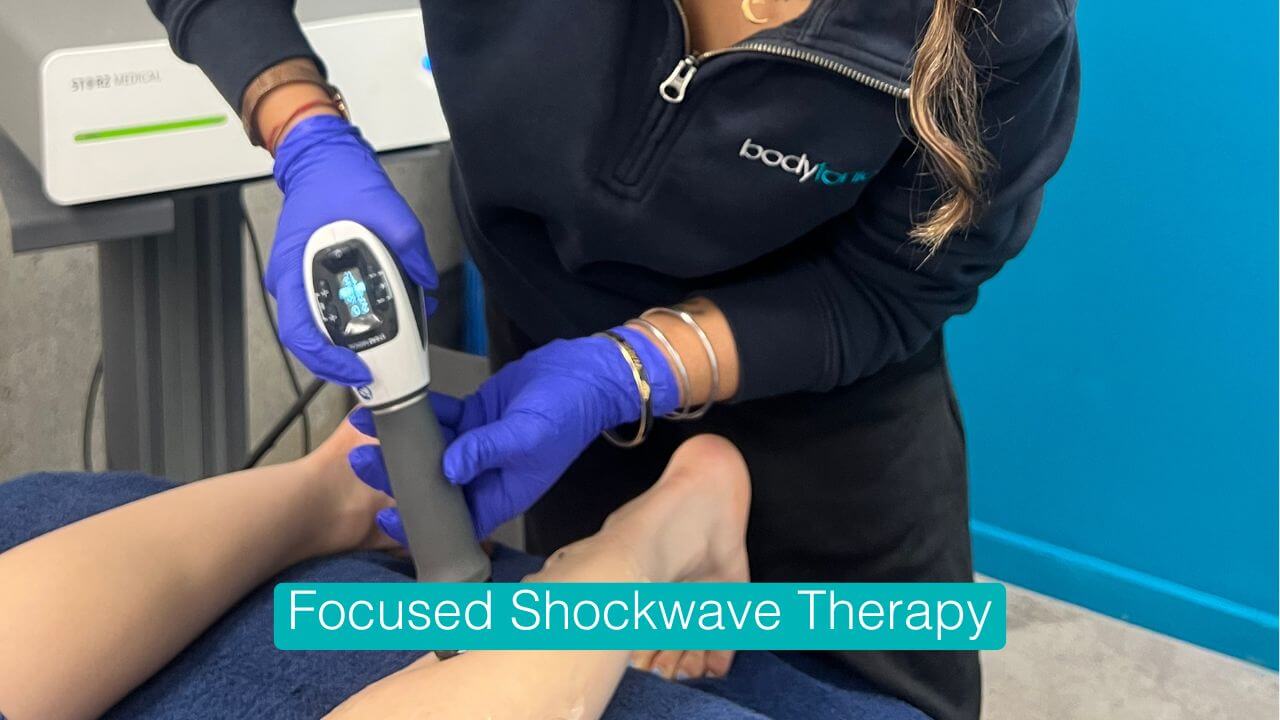
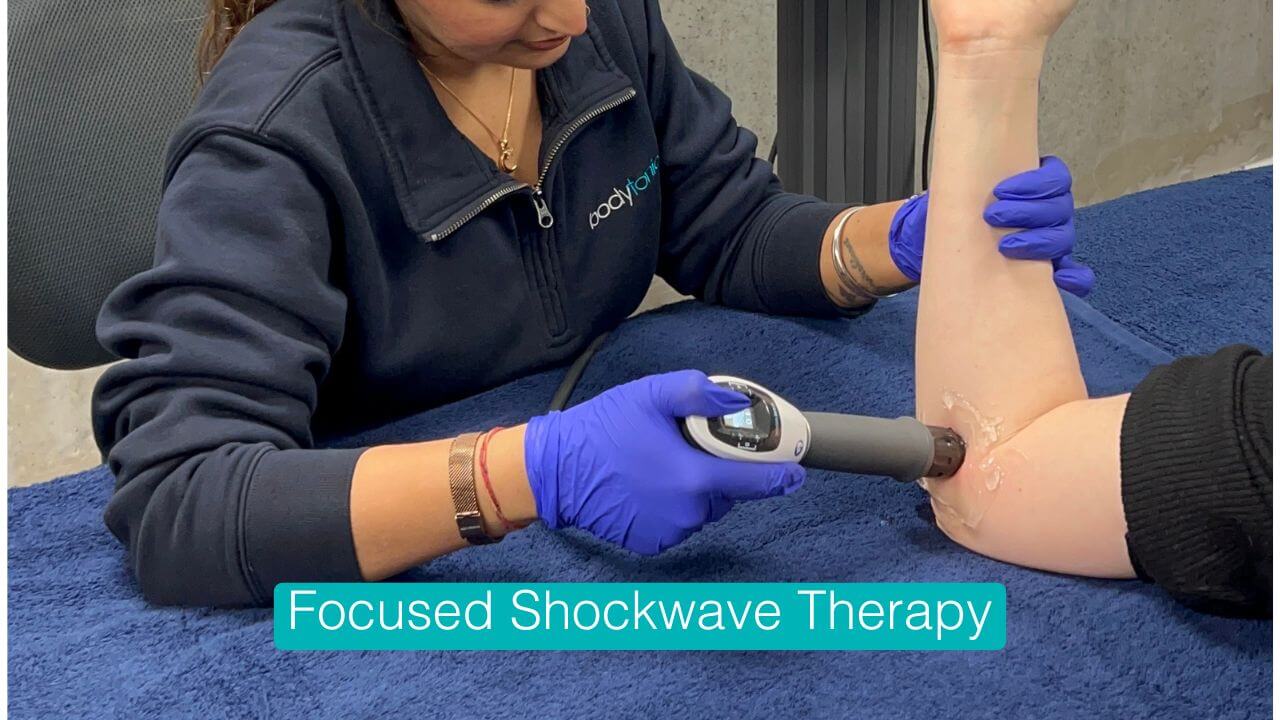
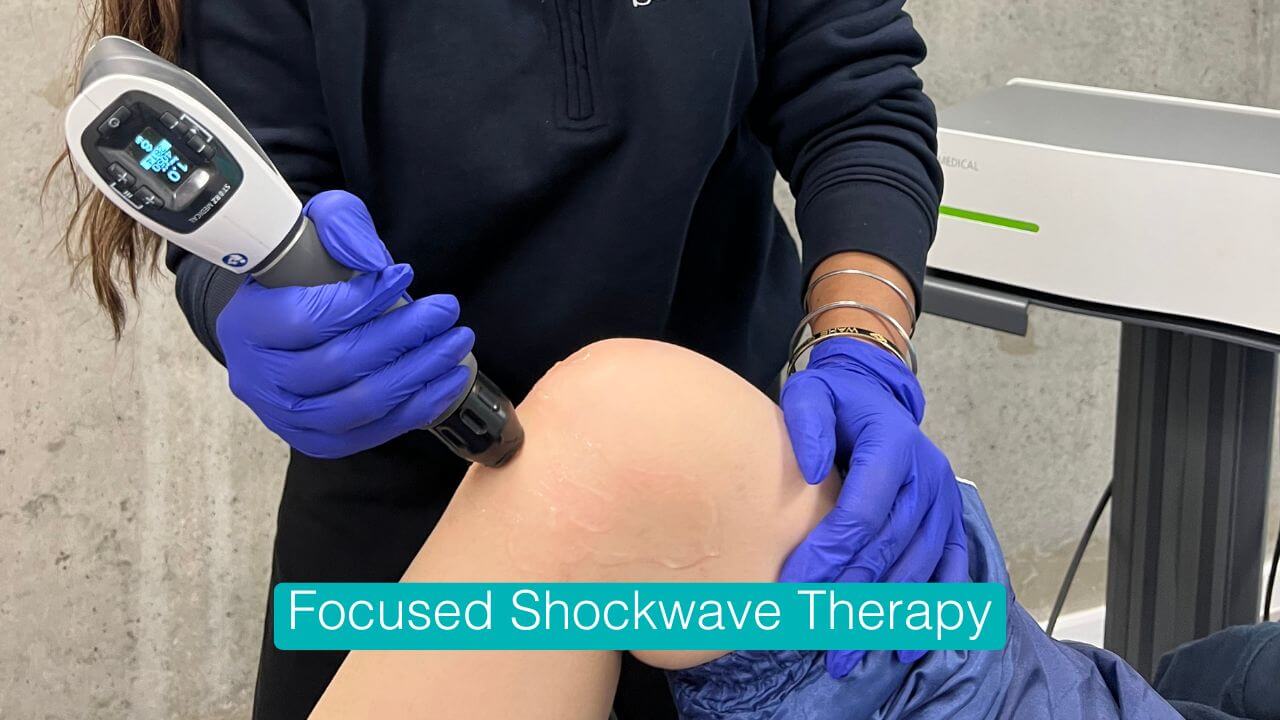
Focused Shockwave Therapy – Canada Water & Stratford
Super targeted treatment for faster relief and recovery
Focused Shockwave Therapy stimulates healing, improves mobility, and breaks down any scar tissue
Why Choose Us for Shockwave Therapy?
- Treatments designed for lasting recovery
- Highly Trained, Certified Practitioners
- State-of-the-art Shockwave Machines
- Clean, Modern Treatment Rooms
- Free Initial Video Consultations - book online now


Medical Insurance accepted

WHAT OUR CUSTOMERS THINK
Bodytonic Clinic Reviews
Focused Shockwave Therapy Prices
Clinical 6-Session Course: From £720 (averaging from £120 per session) We provide this advanced medical treatment as a clinical 6-session course to ensure the cumulative dosage required for maximum effectiveness and long-term recovery.
The Benefit of Booking a Course:
- Save £60: Choosing the 6-session course secures a lower rate compared to individual Pay As You Go (PAYG) sessions.
- Fixed Saving: This £60 saving applies regardless of the practitioner seniority tier you select.
- PAYG Option: Individual sessions are available (from £130 per session) for those not committing to the full clinical protocol.
Note: Our fees are tiered based on practitioner seniority and clinic location. Exact pricing for your preferred specialist is listed on our booking portal. No £5 Weekend Supplement applies to any Course booking.
What are the Benefits of Having Focused Shockwave Therapy?
- Relief
- Accelerated Healing
- Improved Mobility
- Non-Invasive
- Quick Sessions
- Minimal Downtime
Do I Need to See My GP Before Booking a Focused Shockwave Therapy Appointment?
You don’t need to see your GP before booking a focused shockwave therapy appointment at Bodytonic Clinic.
Our qualified practitioners carry out a thorough assessment during your initial consultation to ensure the treatment is safe and appropriate for your condition.
However, if you have a complex medical history or specific concerns, it may be helpful to speak with your GP beforehand. You’re welcome to self-refer and book directly without a GP referral.
Focused Shockwave Therapy FAQs
Focused shockwave therapy is a non-invasive treatment that uses acoustic waves to stimulate healing in injured tissues. It delivers high-energy pulses to targeted areas, encouraging blood flow, reducing inflammation, and promoting tissue regeneration.
Typically used for musculoskeletal conditions like tendonitis and plantar fasciitis, it accelerates the body’s natural repair processes. The focused waves penetrate deeper than radial shockwaves, allowing precise treatment of specific pain points or lesions.
Focused shockwave therapy is effective for various musculoskeletal disorders, including chronic tendon injuries such as Achilles tendinopathy, plantar fasciitis, tennis elbow (lateral epicondylitis), calcific shoulder tendinitis, and patellar tendinopathy.
It’s also used for delayed bone healing and certain soft tissue injuries. The treatment promotes healing by stimulating collagen production and breaking down calcium deposits. It’s particularly beneficial for patients who have not responded well to conventional treatments like physiotherapy or medication.
Typically, patients undergo between 3 to 5 sessions of focused shockwave therapy, spaced about one week apart. The exact number depends on the severity and type of condition, as well as the patient’s response to treatment.
Some conditions may require fewer sessions, while chronic or more severe injuries could need additional treatments. Practitioners assess progress throughout the course and adjust the plan accordingly. Most patients begin to notice improvement after the second or third session, though full benefits often develop over several weeks following the final treatment.
During focused shockwave therapy, some patients experience mild to moderate discomfort or a tapping sensation as the shockwaves are applied. The level of pain varies depending on individual pain tolerance and the condition being treated.
Practitioners often adjust the intensity to balance effectiveness with comfort. The discomfort is usually brief and subsides quickly after the session. If pain is significant, local anaesthetic gels or other pain-relief measures can be considered. Overall, most patients find the procedure tolerable and prefer it over invasive options like injections or surgery.
Focused shockwave therapy is generally safe, but some patients may experience mild side effects. These include temporary redness, swelling, bruising, or tenderness in the treated area, which typically resolve within a few days. Rarely, some people might feel numbness or tingling, but these effects are usually short-lived.
Because the treatment promotes healing, initial soreness can occur as tissues respond. Serious complications are very uncommon when therapy is administered by qualified professionals. Patients with certain conditions, like blood clotting disorders, infections, or pregnancy, are usually advised against shockwave therapy.
A typical focused shockwave therapy session lasts around 15 to 20 minutes, depending on the size and location of the treatment area. Before the session, the practitioner assesses the site and may apply ultrasound gel to improve wave transmission.
The treatment involves delivering a series of focused pulses precisely to the injured tissue. Post-treatment advice is usually provided, including recommendations on rest or activity modification. Short sessions and minimal recovery time make shockwave therapy convenient for many patients compared to more invasive procedures.
Yes, focused shockwave therapy is often combined with other treatments like physiotherapy, exercise programmes, or anti-inflammatory medications to enhance recovery. It can complement manual therapy and rehabilitation by reducing pain and improving tissue healing, allowing patients to engage more effectively in strengthening exercises.
However, certain treatments, like corticosteroid injections, may need to be timed carefully around shockwave therapy to avoid interfering with healing. UK clinicians typically tailor combined treatment plans based on individual patient needs and conditions for optimal outcomes.
Focused shockwave therapy is generally not recommended for individuals with certain medical conditions. Contraindications include pregnancy, blood clotting disorders, active infections or skin ulcers at the treatment site, tumours, and severe peripheral vascular disease.
Patients with pacemakers or implanted electronic devices should inform their practitioner, as shockwaves could interfere with device function. Additionally, children and very elderly patients may require careful assessment before treatment. A thorough medical history and consultation with a qualified UK practitioner are essential to ensure safety.
Most patients can return to normal daily activities immediately after focused shockwave therapy. However, it’s advised to avoid intense physical exercise or heavy manual labour for 24-48 hours to allow treated tissues to begin healing without excessive strain.
Practitioners often recommend gentle stretching or light activity depending on the condition. Pain or soreness post-treatment is common but usually mild and manageable. This quick recovery time is a key advantage over surgical options, making shockwave therapy popular for active individuals needing minimal disruption.
Yes, focused shockwave therapy is frequently used to treat chronic pain conditions related to tendons, joints, and soft tissues. It can reduce pain and improve function in cases like chronic plantar fasciitis, tennis elbow, and calcific tendonitis, especially when other treatments have failed.
The therapy works by stimulating healing processes and breaking down scar tissue or calcium deposits that contribute to persistent pain. However, results vary, and chronic pain may require a multidisciplinary approach including physiotherapy and lifestyle modifications alongside shockwave therapy.
Results from focused shockwave therapy can vary, but many patients notice pain reduction and improved function within 2 to 4 weeks after treatment begins. Some may experience relief sooner, while others might need the full course of sessions to see significant benefits.
The healing effects continue for several weeks post-treatment as tissues regenerate. Consistent follow-up and adherence to post-treatment advice enhance outcomes. It’s important to maintain realistic expectations, especially for chronic or severe conditions.